- Blog
COOLIEF Treatments
Posted on 10-24-2026 in Minimally Invasive Surgery by Dr. Joshua Hackel

Posted on 10-24-2026 in Minimally Invasive Surgery by Dr. Joshua Hackel
According to The Journal of Bone & Joint Surgery, knee osteoarthritis affects nearly 14 million people in the US, with 25% of that population considered unsuitable for surgical treatment due to age, health or other medical conditions. However, depending on the severity of your arthritis, a non-invasive treatment option, such as COOLIEF Radiofrequency Ablation, may result in less risk, more affordable care, and expedited recovery time in comparison to surgical intervention.
Osteoarthritis of the Knee
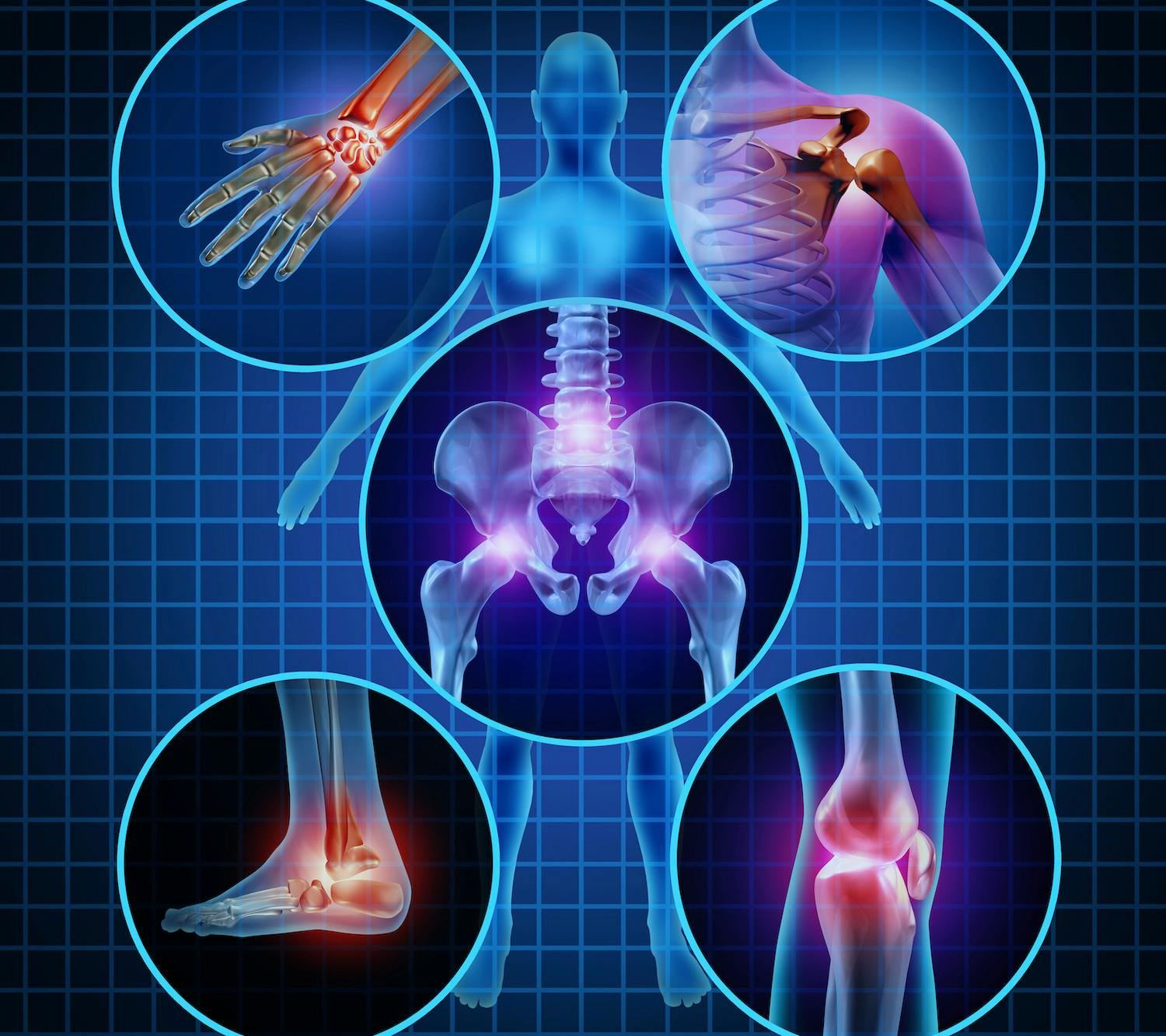
Osteoarthritis of the knee can be simply described as the degeneration of the joints. Over time, the natural wear and tear on the affected area can result in chronic pain and/or limited mobility. There are two main categories of osteoarthritis: primary and secondary. Primary osteoarthritis refers to the onset of a generalized condition occurring in the knees, fingers, thumbs, hips, and spine brought about by normal wear and tear. Secondary osteoarthritis refers to the onset of osteoarthritis following an injury, inflammation, or some other condition that affects the composition of the cartilage in the joint. Symptoms of knee arthritis may include stiffness or swelling, limited mobility, knee locking or abnormal cracking of the knee. Patients may also experience weakness or pain, often resulting in buckling or tenderness of the affected area.
Understanding the Treatment & Benefits
While surgical intervention may be necessary given specific conditions, it is not ideal for everyone. Surgery is not only invasive but can be expensive and require a more extended recovery period. A total knee replacement, for instance, is one of the most common procedures performed on those suffering from osteoarthritis. While serious complications occur in fewer than 2% of patients during this procedure, blood clots, infection, implant problems, persistent pain and neurovascular injury are factors to consider. However, non-surgical intervention options offer more affordable, less invasive solutions with less downtime. COOLIEF Radiofrequency Ablation, which targets only the sensory nerves responsible for causing a patient’s knee pain, is one of several innovative options Dr. Hackel provides.
Performed as an outpatient procedure using fluoroscopic and ultrasound guidance, Dr. Hackel locates the affected areas and identifies the nerves sending pain signals to the body’s central nervous system. The patient loses no feeling to the skin around the joint.
While the success and longitudinal impact of COOLIEF vary, studies show the procedure provides patients suffering from chronic knee pain an average of 12 months of relief. Additionally, during the 12 months of relief, this FDA-approved treatment has been shown to reduce dependency on medications and improve patient mobility with up to a 50-80% decrease in pain.
As a board-certified and fellowship-trained sports medicine physician, Dr. Josh Hackel is dedicated to helping patients identify the source of pain and determine the most effective treatment option for optimal orthopaedic and musculoskeletal health. Contact us at 850.916.8783 or use our convenient online appointment form to schedule an initial consultation to discuss COOLIEF and the other minimally invasive procedures available.

You roll an ankle on the court, feel a pull in your hamstring during a run or land awkwardly during a game. Once the initial surprise wears off, the next question is usually the same: What should I do now?

Each year, from October 6 to 12, we celebrate National Physician Assistants Week and recognize this dedicated group of professionals who provide exceptional care to our patients at North Florida Bone & Joint Specialists. Each plays a transformative role in our practice and in the communities we serve by delivering high-quality, collaborative care that prioritizes patients' needs.