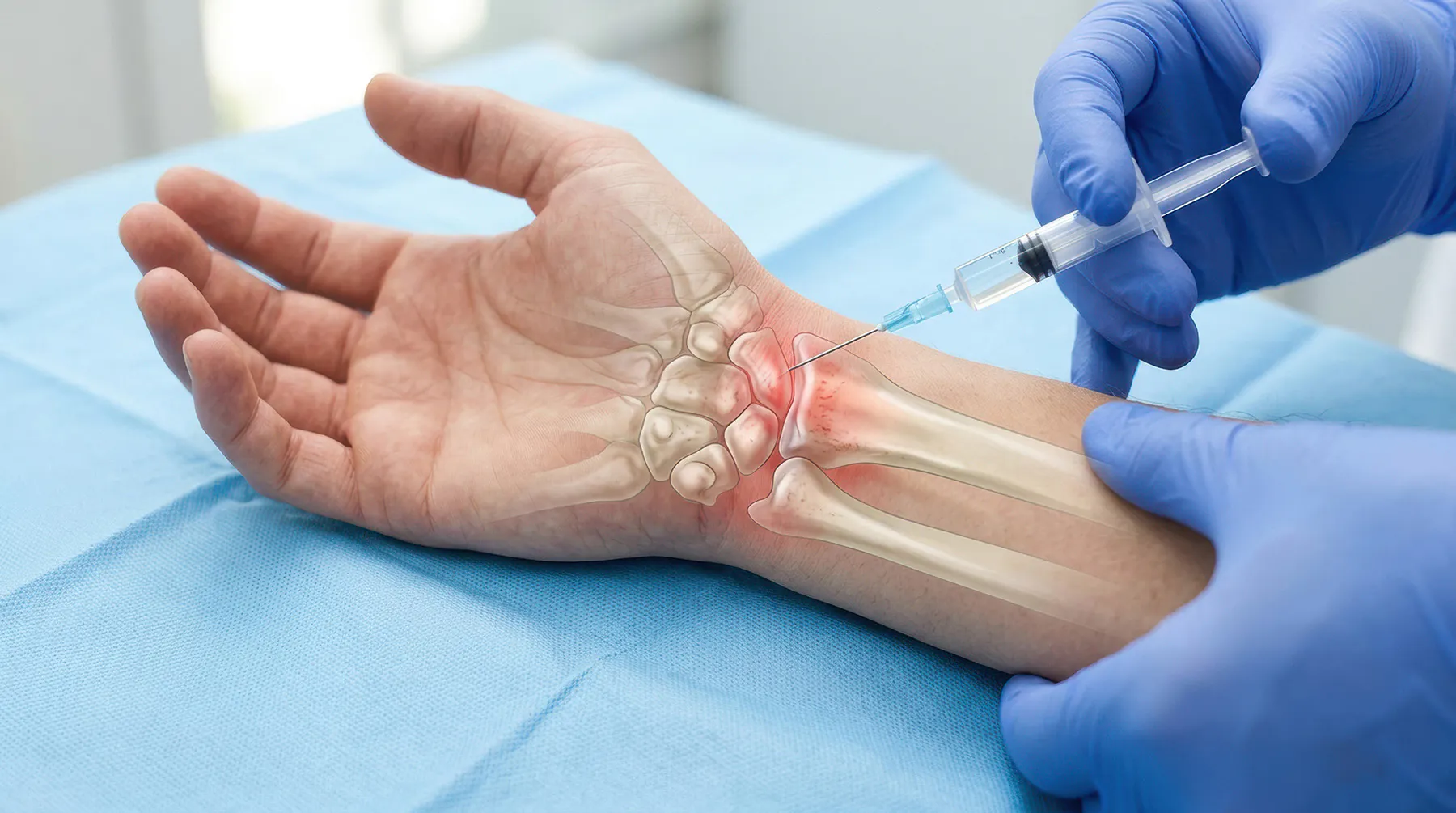
December is National Safe Toys & Gifts Month, and as we go about our holiday shopping, it's important to remember the impact those presents can have on the well-being of the children in our lives. A recently released report by the U.S. Consumer Product Safety Commission (CPSC) indicated that nearly 210,000 children were treated in hospital emergency rooms for a toy-related injury in 2022. The annual CPSC report also provided the following illuminating statistics:
- 76% of emergency department patients were children 14 years and younger, 69% were 12 and younger, and 38% were four or younger.
- Injuries were divided almost equally among males and females at 54% and 46%, respectively.
- The types of injuries and affected areas of the body were also telling, with 47% to the head/face and the largest number classified as lacerations. Contusions/abrasions accounted for the second-largest number of injuries, and fractures ranked third.
- The cause of these injuries was overwhelming due to nonmotorized scooters among the specifically identified toys across all age groups, while balls and toy vehicles round out the top three.
While this is the second year in a row that the CPSC has reported an increase in injury cases, the number has dropped by 26.4% over the last decade. Several factors have contributed to the improved metrics, including more than 100 safety regulations, tests, and toy requirements outlined in the Federal Hazardous Substances Act (FHSA) and the Consumer Product Safety Improvement Act (CPSIA).
Additionally, toy-safety advertising and publication relations campaigns distributed via a global assortment of communication platforms have also made a significant impact. As you celebrate the holiday season, consider the following and help us spread the word about the importance of selecting the perfect present for the children in your life:
- Select Age-Appropriate Toys: Selecting toys that match the recommended age level considers the child's ability, skill, and interest level.
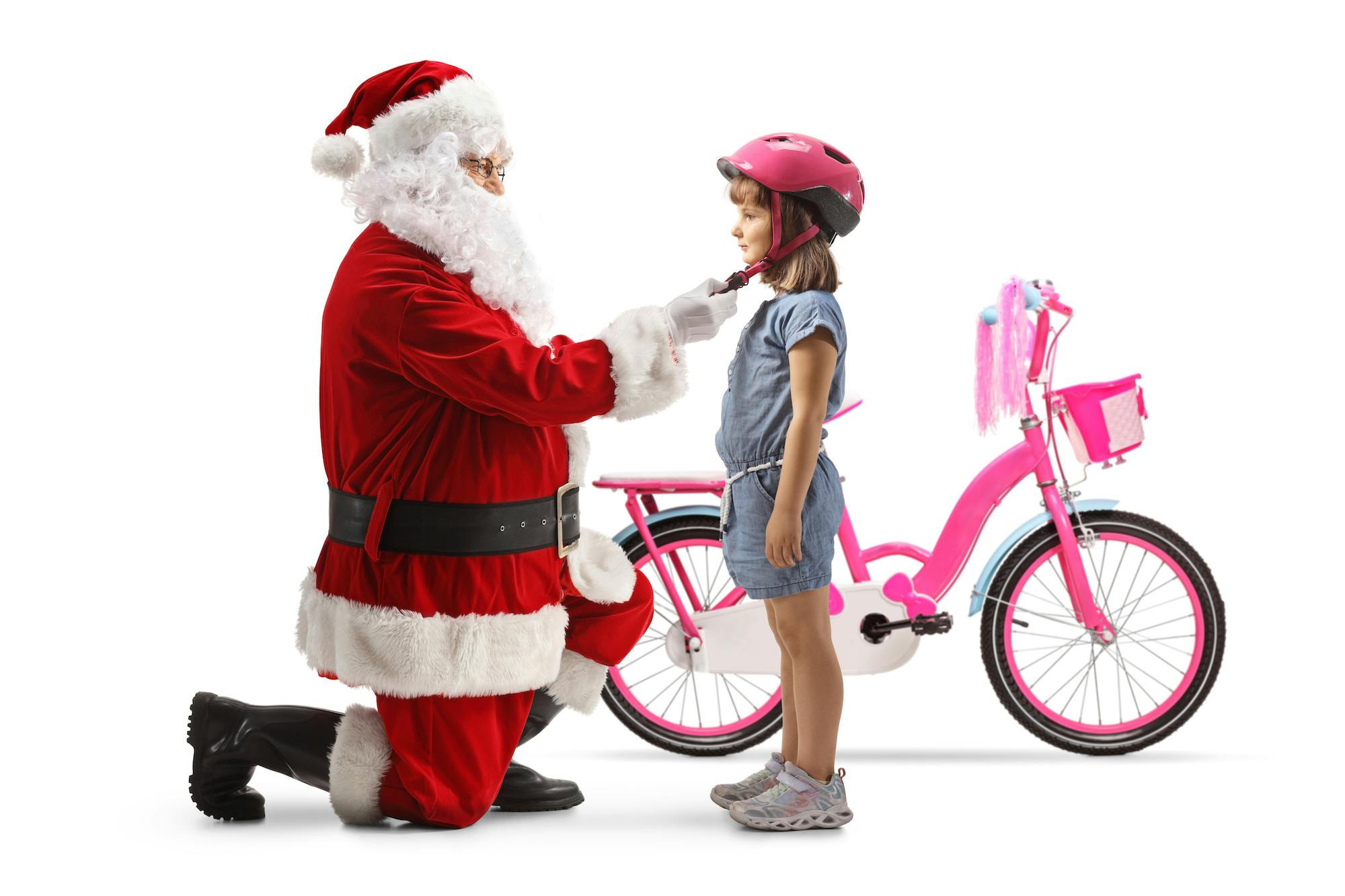
- Include Safety Gear When Appropriate: Toys that will be used for physical activity, like scooters, bicycles, skateboards, etc., should include a helmet, protective pads and/or eye protection that are sized to fit the child.
- Inspect the Toys & Read the Instructions: Prior to gifting the item, examine every part of it and look carefully at all accompanying pieces if possible. Reading the instructions is also invaluable to identifying important safety concerns and/or restrictions.
- Look For Quality Construction: Make sure toys have an American Society for Testing and Materials (ASTM) label and examine them for durability. The item should be sturdy enough to withstand impact without breaking, being crushed, or being pulled apart easily.
For additional reading, check out other related blog posts: