- Blog
Safely Celebrate the Holidays
Posted on 10-07-2026 in Hand, Elbow & Wrist by Dr. Steven Kronlage

Posted on 10-07-2026 in Hand, Elbow & Wrist by Dr. Steven Kronlage
Sometimes the hectic pace of the holiday season causes people to unknowingly let their guard down, making them more susceptible to bone, joint and muscle-related injuries. And let’s face it, ending up in your doctor’s office or the emergency room during the holidays is anything but jolly. Here are a few things to keep in mind as you prepare for and safely celebrate the season, especially when it comes to holiday decorating and potentially hazardous gifts.
Holiday Decorating
According to the U.S. Consumer Product Safety Commission (CPSC), on average, 160 decorating-related injuries occur each day during the holiday season. This includes hand and other extremity injuries due to artificial trees and stands, lights and other adornments, and falls while hanging lights and other decorations, which account for half of the injuries. Typically, falls are associated with ladders. To minimize the risk of injury related to climbing ladders, remember to:
Children’s Toys
Toy-related injuries continue to impact thousands of children in the United States each year. According to the CPSC, in 2020, there were nearly 150,000 toy-related, emergency department-treated injuries among children ages 14 and younger. In particular, nonmotorized scooters account for 21 percent of all toy-related, emergency department-treated injuries. The number of injuries increased 17% in 2021, from 35,600 scooter injuries reported in 2020 to 41,700 injuries reported in 2021.
With toy manufacturers and retailers facing both supply-chain delays and global shipping issues, consumers are concerned about a possible toy shortage. This could lead to a mad dash to buy products from anyone that has them available, which increases the opportunity for dangerous or counterfeit products on the market. In addition to following age guidance when purchasing toys and including any appropriate safety gear with your purchase, follow these safety tips for online shopping:
While we sincerely hope your holidays remain jolly and accident-free if you experience an injury to your upper extremities, the fellowship-trained physicians at North Florida Bone & Joint Specialists are here to help. Dr. Steven Kronlage, Dr. Alex Colemanand Dr. James Piorkowski provide non-surgical treatment options and surgical intervention for adult and pediatric patients. We also offer same-day and next-day appointments in our Gulf Breeze and Pensacola locations, as well as telehealth visits. State-of-the-art, on-site imaging and diagnostics are also available at both locations to make visits as convenient as possible. Give us a call today at 850.807.4200 or schedule an appointment online.
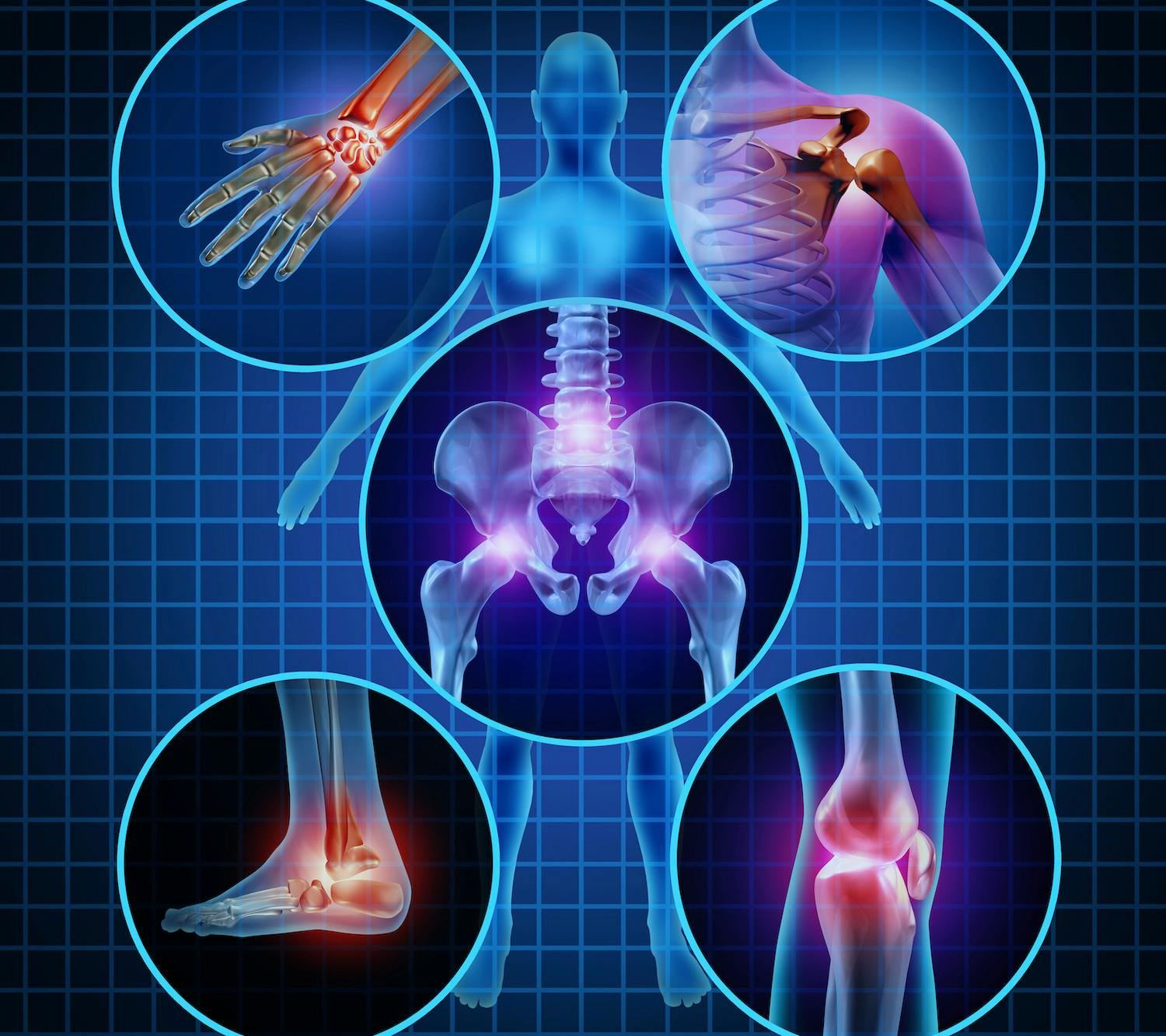

Each year, from October 6 to 12, we celebrate National Physician Assistants Week and recognize this dedicated group of professionals who provide exceptional care to our patients at North Florida Bone & Joint Specialists. Each plays a transformative role in our practice and in the communities we serve by delivering high-quality, collaborative care that prioritizes patients' needs.
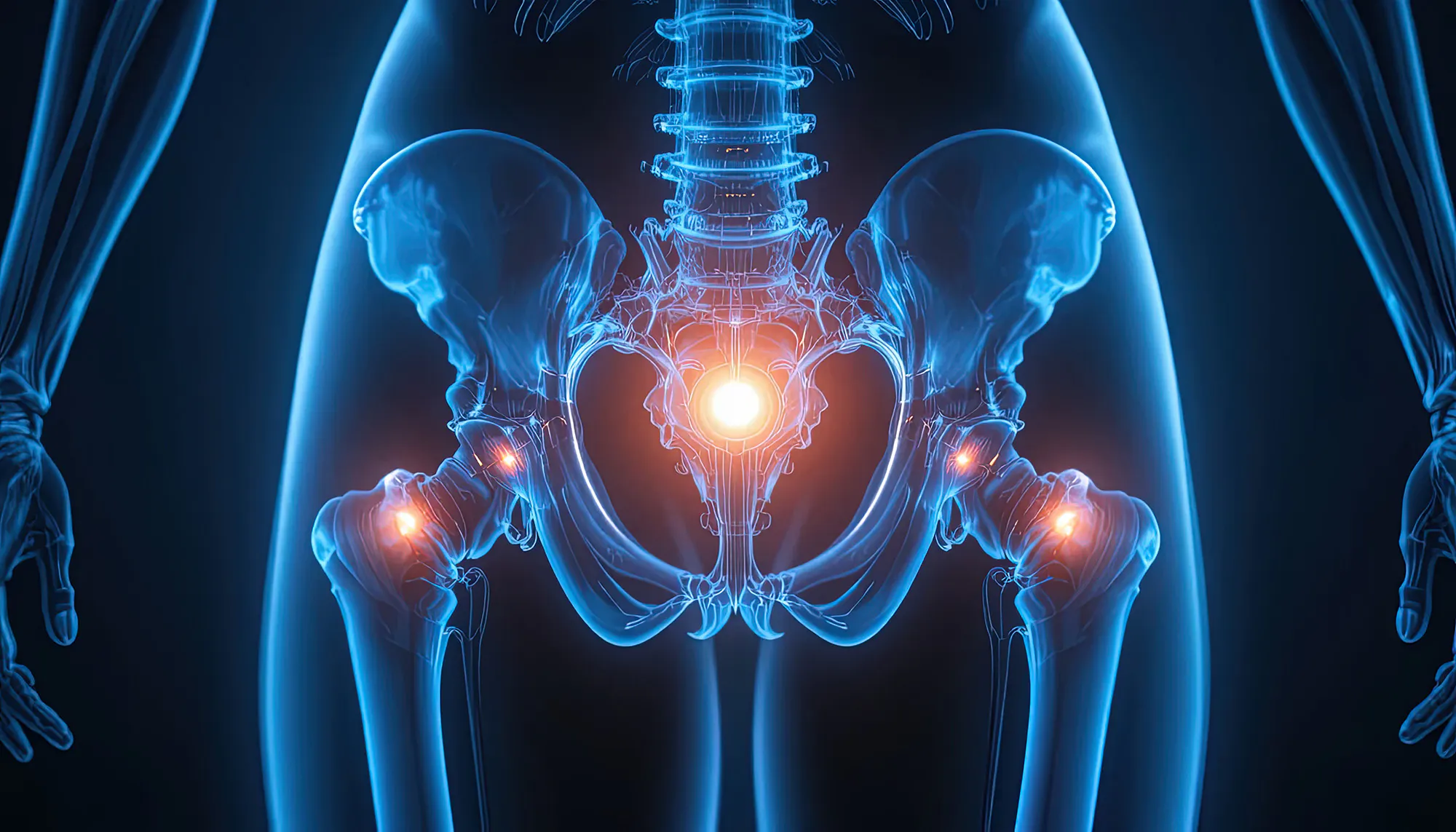
Pain in the lower back, hip, buttock, or groin can be both frustrating and confusing. Many people are surprised to find that their back pain actually comes from the hip or vice versa.