- Blog
Shoulder Injury Prevention Exercises
Posted on 09-15-2026 in Shoulder by Dr. Chris O'Grady
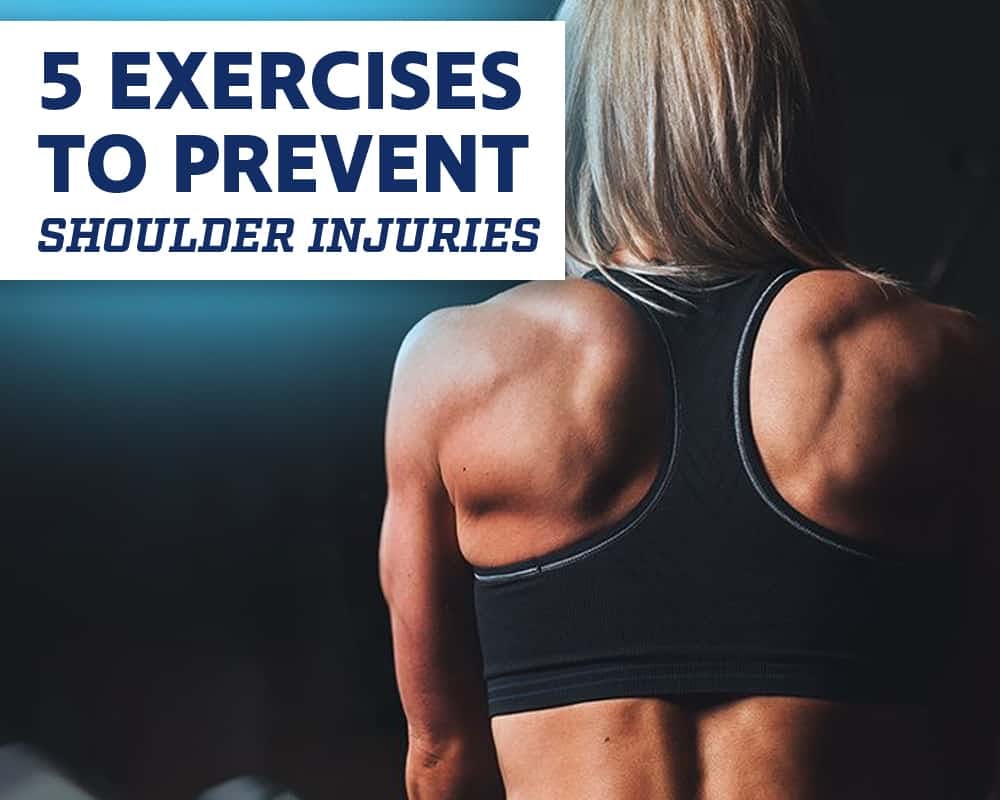
Posted on 09-15-2026 in Shoulder by Dr. Chris O'Grady
As the most mobile joint in the body, the shoulder is highly susceptible to injuries. If your risk factors for sustaining an injury of the shoulder are high, your orthopaedic surgeon or physical therapist may recommend certain exercises, known as Rockwood shoulder exercises, to prevent your chances of injury.
Rockwood shoulder exercises describe a protocol of exercises using resistance bands and tubing to treat a multitude of shoulder problems including rotator cuff problems and unstable or loose shoulders.
1) Scapular Retraction with Resistance Advance
Setup: Begin in the upright standing position, while holding both ends of a resistance band that is anchored in front of your body, with your elbows held straight.
Movement: The movements involve squeezing the shoulder blades together and downward while pulling against the resistance band. Hold the position, then relax. Perform 10-15 reps 3 times a week.
Tip: Ensure your back is held straight during this exercise.
2) Shoulder External Rotation with Resistance
Setup: Begin by standing in an upright position with your elbow bent at a 90-degree angle while holding a resistance band. Tuck a rolled towel under your arm when first learning the motion. The anchor point of the band should be located on the side that is furthest away from your bent arm.
Movement: The arm is slowly rotated out to the side while keeping the elbow bent at a 90-degree angle. Perform 10 reps and three sets three times a week to achieve maximum benefit.
Tip: Make sure to keep your shoulder and hips facing forward and maintain a gentle chin tuck throughout the exercise.
3) Shoulder Internal Rotation with Resistance
Setup: Begin in the upright standing position, with the elbow bent at 90 degrees. A rolled towel can be tucked under the arm to assist with proper form. A resistance band is held in your hand in front of the bent elbow. The anchor point of the band should be located on the side closest to your bent arm.
Movement: Slowly rotate your arm inward. Perform 10 reps and three sets three times a week to achieve maximum benefit.
Tip: Your hips and shoulders should be facing forward and your chin should be gently tucked throughout the duration of this exercise.
4) Single Arm Scaption with Resistance
Setup: Begin standing in the upright position, while holding one end of a resistance band anchored under your feet. Your thumb should be pointing up.
Movement: Raise your arm up at a diagonal angle, in front of your body, to shoulder height. Lower your arm back down and repeat. A total of three sets with 10 reps should be repeated 3 times a week.
Tip: Maintain good posture and avoid shrugging your shoulder while completing this exercise.
5) Standing Single Arm Shoulder Abduction with Resistance
Setup: Stand in an upright position with one end of a resistance band anchored under your feet. Your thumb should be pointing up.
Movement: Lift your arm straight out to the side to shoulder height, and lower it back down. Repeat a total of 10 times and complete three sets, three times a week.
Tip: Maintain good posture and do not shrug your shoulder during the exercise.
To learn more about other shoulder exercises, schedule an appointment with Dr. Chris O’Grady at O’Grady Orthopaedics. Dr. O’Grady treats all his patients with the utmost care, from contractors to professional athletes. Call 1-850-916-3731.
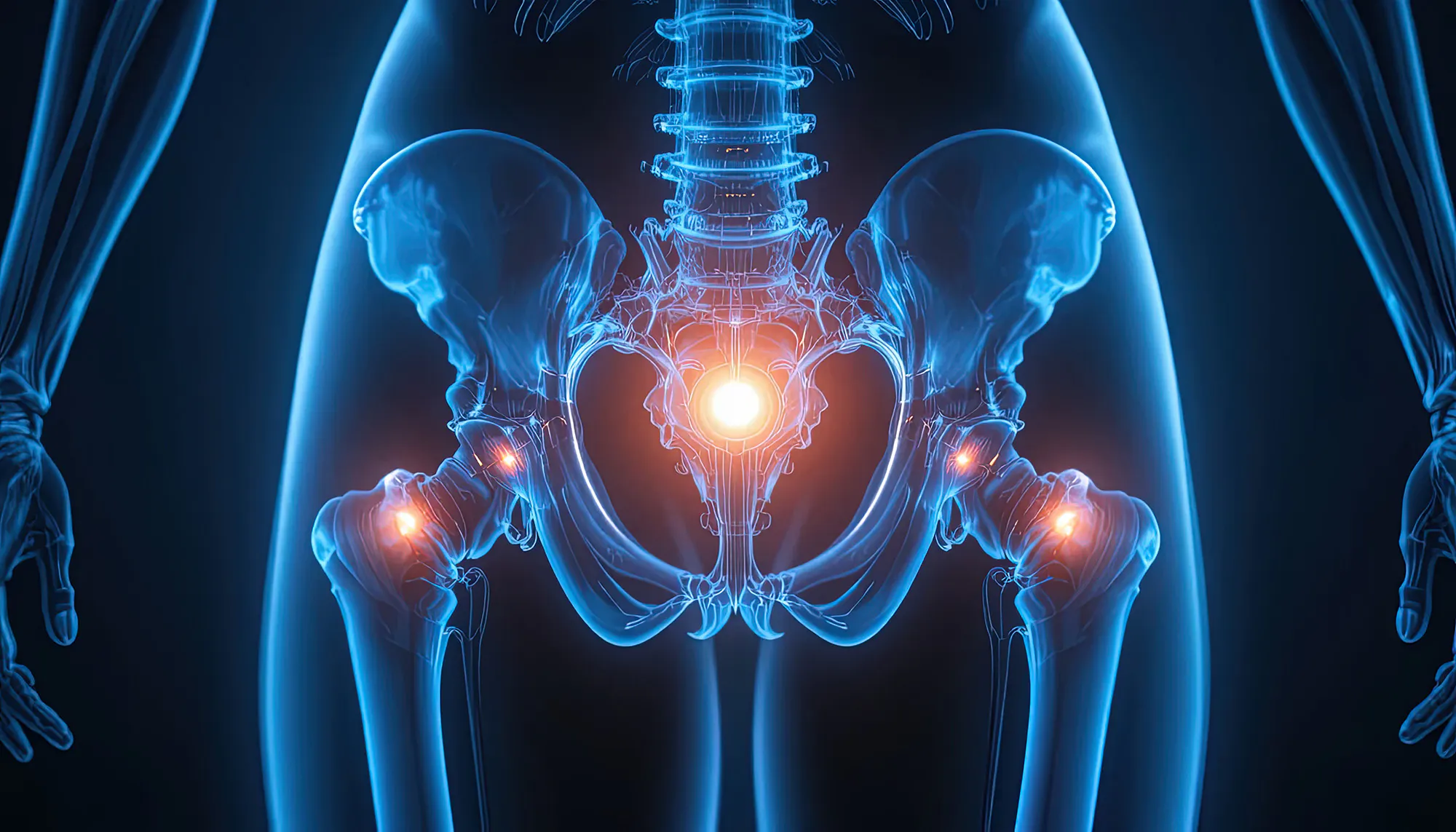
Pain in the lower back, hip, buttock, or groin can be both frustrating and confusing. Many people are surprised to find that their back pain actually comes from the hip or vice versa.
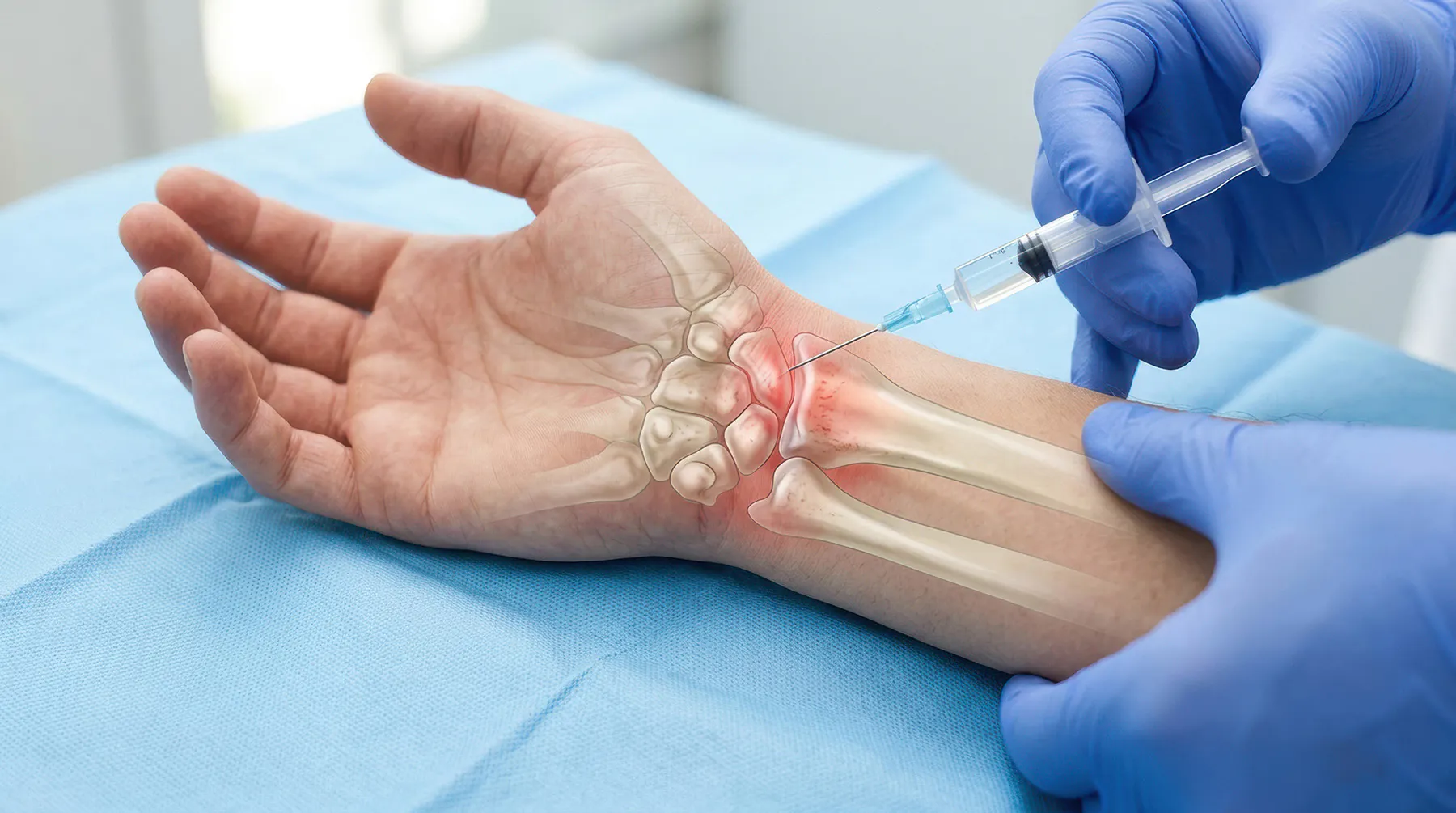
If you have been diagnosed with carpal tunnel syndrome, you may assume that treatment follows a predictable path: try a brace, move on to a corticosteroid injection if symptoms continue, and consider surgery only after those options stop working. For some patients, however, research suggests that reconsidering which comes first may be beneficial.
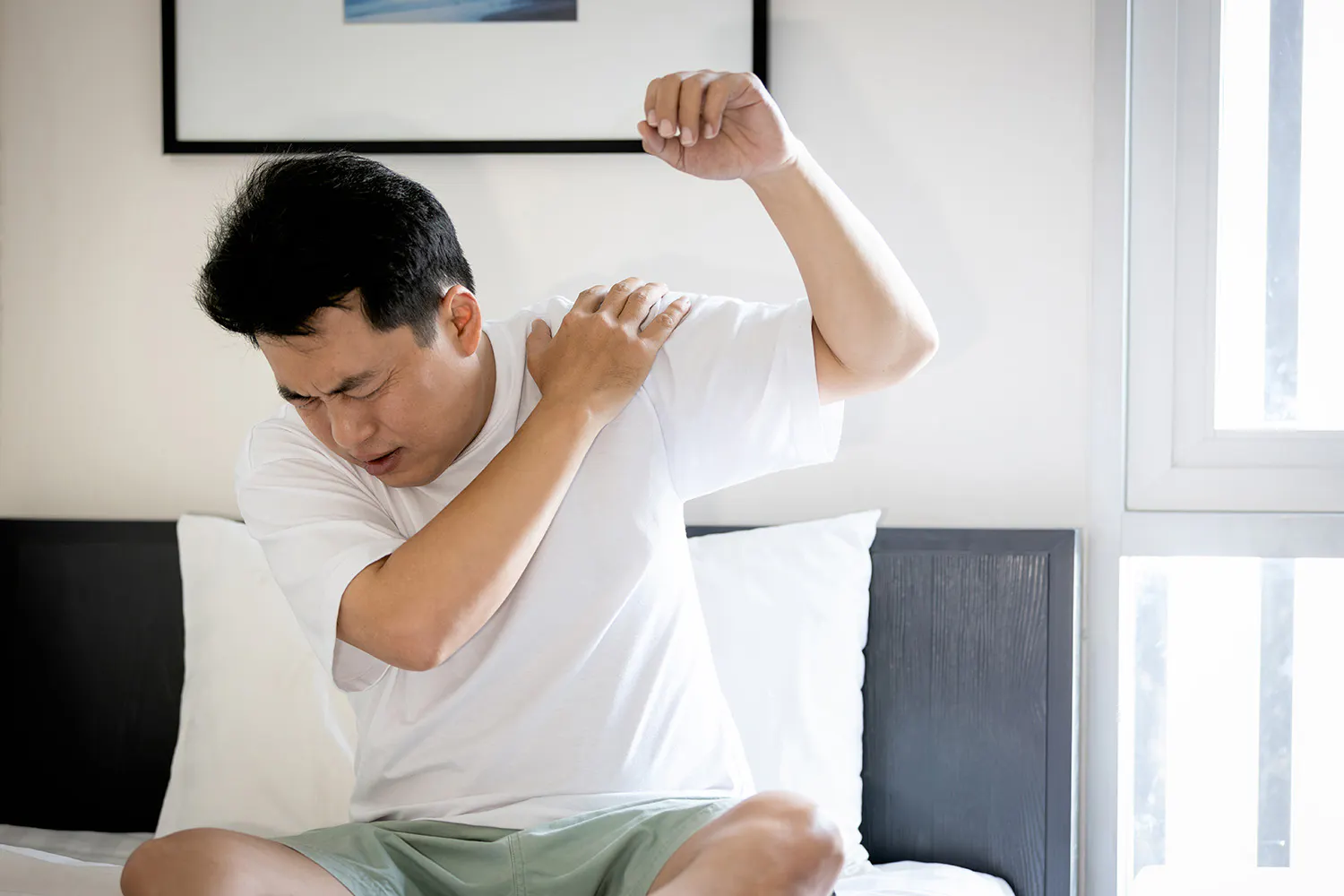
Reaching into a cabinet. Putting luggage in an overhead bin. Throwing a ball. Pulling on a shirt.