- Blog
Benefits of Orthopaedic Physical Therapy
Posted on 08-21-2026 in physical therapy, Sports Medicine, sports injuries & surgery
Posted on 08-21-2026 in physical therapy, Sports Medicine, sports injuries & surgery
October is recognized as Physical Therapy Month, a time to highlight the essential role physical therapists play in improving the lives of patients dealing with orthopaedic conditions and sports injuries. At North Florida Bone & Joint Specialists, we provide comprehensive physical therapy services designed to help our patients recover faster, avoid surgery, and regain their mobility.
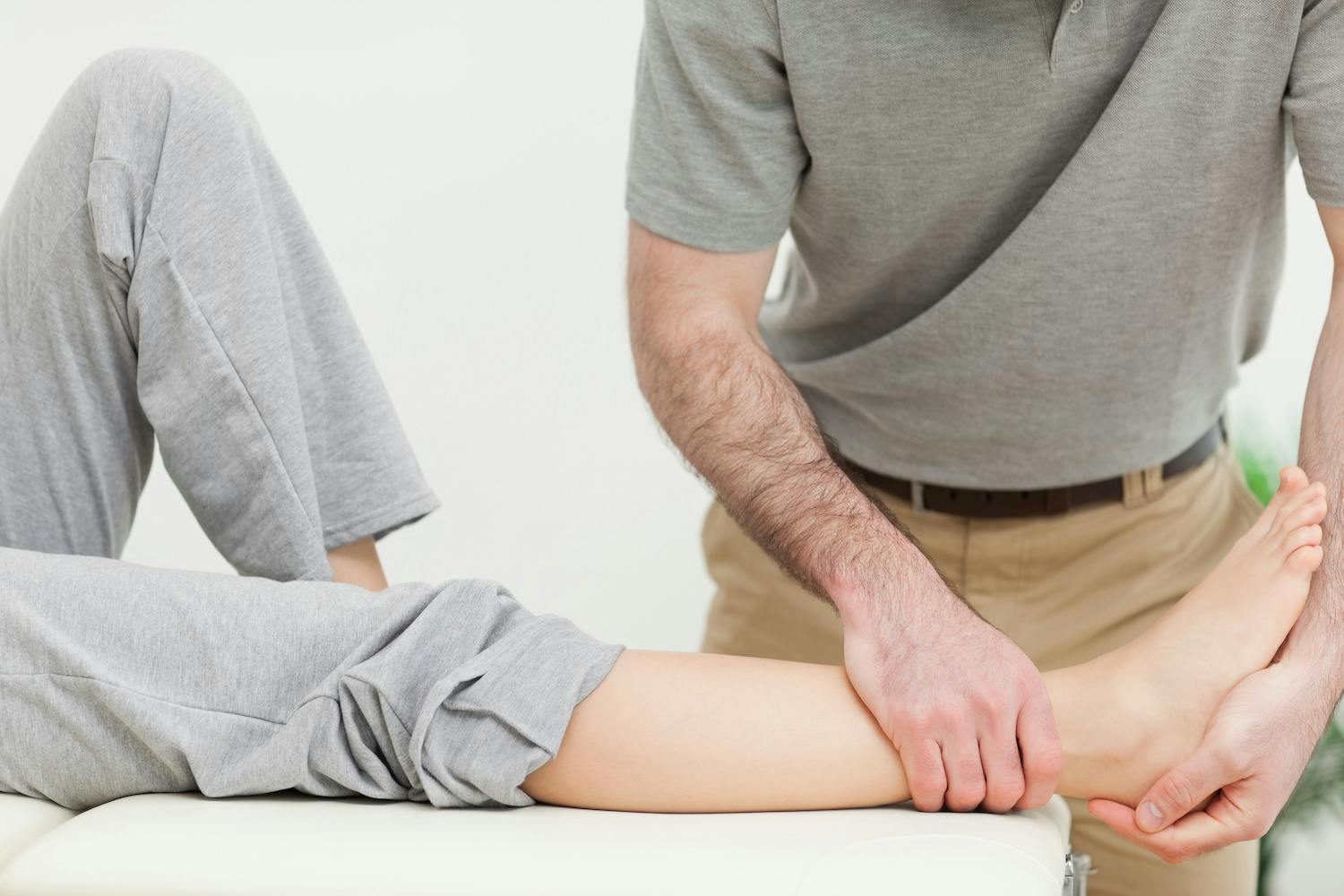
Working closely with your orthopaedic specialist, a physical therapist employs a combination of hands-on care, patient education, and personalized exercises to help you improve your quality of life. Whether you’re recovering from an injury, managing chronic pain, or seeking to enhance your physical function, physical therapy offers a safe and effective solution.
Why Orthopaedic Physical Therapy Matters for Your Recovery
Physical therapy provides tailored care based on your specific injury, physical condition, and lifestyle. Here are just a few ways it can benefit your health:
1. Enhance Mobility and Functionality: Physical therapists are trained to assess movement disorders and develop treatment plans to restore as much mobility and functionality as possible. By addressing movement limitations, physical therapy helps improve overall health, fitness, and independence—vital components for a full and active life.
2. Improve Physical Activity Levels: Staying active is crucial for both physical and mental health. A structured physical therapy regimen can help you overcome physical barriers, increase your activity level, and reduce the risk of developing chronic conditions. Regular movement is key to maintaining your overall well-being.
3. Manage Pain Without Medication: One of the most significant advantages of physical therapy is its ability to reduce or eliminate the need for pain medications, particularly opioids. The Centers for Disease Control and Prevention (CDC) recommends physical therapy as a first-line treatment for many types of long-term pain, offering a safer, non-invasive alternative to medication.
4. Avoid Surgery When Possible: By addressing pain and movement problems early, physical therapists can help prevent conditions from worsening and reduce the need for surgical intervention. In fact, research shows that physical therapy can be just as effective as surgery for conditions like meniscus tears, rotator cuff injuries, and knee arthritis. In cases where surgery is unavoidable, physical therapy can support pre- and post-surgical recovery to ensure a smooth, efficient healing process.
5. Take Control of Your Recovery: Physical therapy empowers patients to actively participate in their rehabilitation. Through guided exercises and education, you’ll learn how to manage your condition effectively and participate fully in your recovery. Our team of physical therapists works closely with orthopaedic specialists to ensure you receive well-rounded, collaborative care.
How Physical Therapy Works
Physical therapy typically involves exercises to improve mobility, strength, and coordination. During your sessions, a licensed therapist will teach you the correct techniques for various movements, helping you safely perform exercises on your own. For patients with joint stiffness or reduced range of motion, passive exercises or therapeutic massage may be incorporated to enhance mobility.
At North Florida Bone & Joint Specialists, our physical therapy services are available on-site at our 4406 North Davis Highway office in Pensacola, as well as at our Fort Walton Beach and Midway locations. This integrated approach ensures you receive timely, seamless care from our expert team.

Reaching into a cabinet. Putting luggage in an overhead bin. Throwing a ball. Pulling on a shirt.
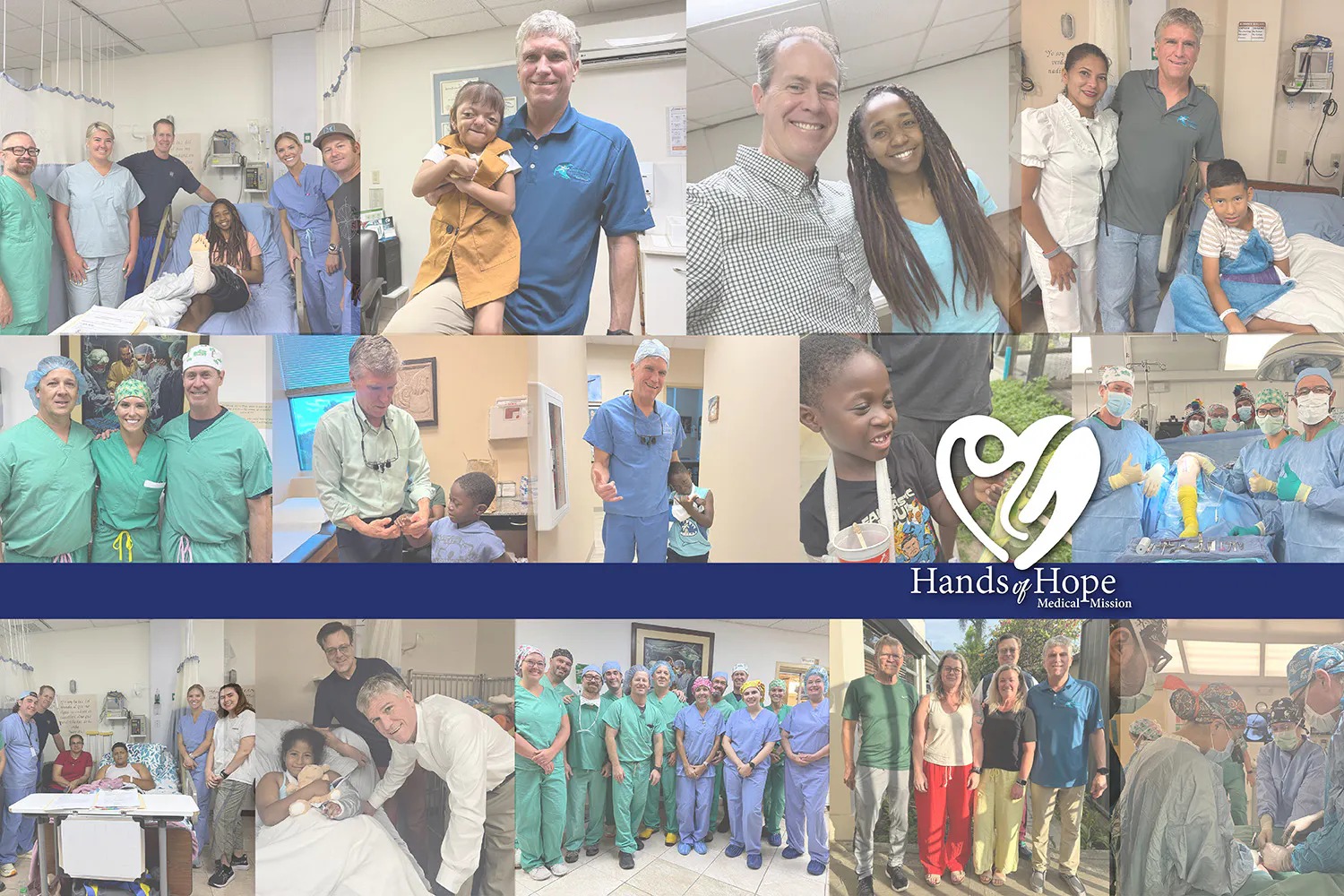
Orthopaedic care has the power to restore movement, relieve pain, improve function and change lives. For Dr. Steven Kronlage and Dr. Chris O’Grady, that commitment extends far beyond Northwest Florida.

Have you ever taken a step and felt like there was a pebble stuck in your shoe, only to stop, check, and find nothing there? It's a surprisingly common complaint. Many patients describe the sensation as though they're walking on a small rock, a wrinkle in their sock, or something that simply won't go away. While it may seem like a minor annoyance at first, persistent pain in the ball of the foot is often your body's way of signaling that something isn't functioning as it should. Because several conditions can cause similar symptoms, understanding what may be behind the discomfort is the first step toward finding lasting relief.