- Blog
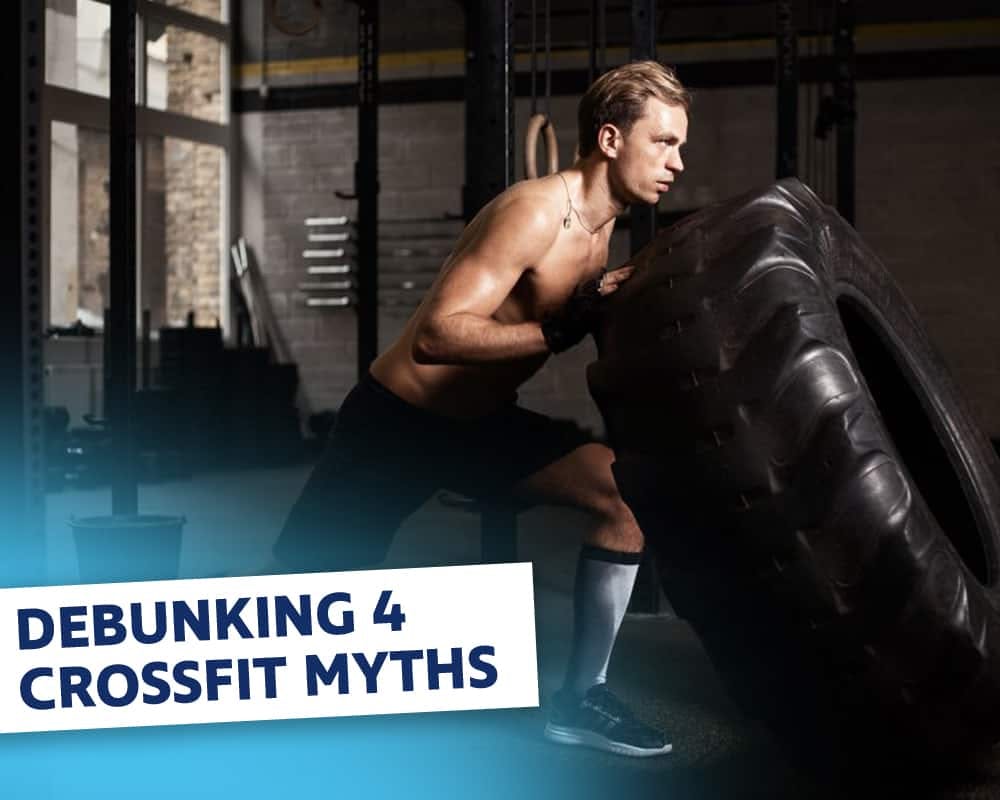
Debunking 4 CrossFit Myths
Posted on 10-07-2026 in CrossFit by Dr. Chris O'Grady
Posted on 10-07-2026 in CrossFit by Dr. Chris O'Grady
For thousands of athletes around the globe, CrossFit has made a tremendous impact on their physical health and truly becomes a way of life.
But for those outside the CrossFit world not familiar with its methods and goals, misconceptions about the safety and benefits of the workouts may keep them from participating.
The truth is, the intensity, camaraderie and strategies of CrossFit help many athletes achieve and even surpass fitness goals. The workouts improve fitness by combining elements of gymnastics, weightlifting, running and rowing, among other sports. CrossFit focuses on 10 fitness domains, including balance, flexibility, power and speed.
Let’s set the record straight on some of the myths surrounding CrossFit.
CrossFit makes your body overly muscular
In fact, CrossFit routines are geared more for developing lean muscle power than for bulking up. That power is developed while focusing on multiple functional movements, as opposed to overworking one muscle group with select repetitive exercises. Think of a swimmer compared
with someone who focuses exclusively on lifting heavier and heavier weights.
CrossFit is based on “bunk” information and has no scientific validity
Multiple studies have shown high-intensity workouts like CrossFit can improve fitness at all levels, including improvements in body composition, aerobic fitness, endurance and power output.
According to the American College of Sports Medicine, high-intensity interval training (HIIT) can improve:
• Aerobic and anaerobic fitness
• Blood pressure
• Cardiovascular health
• Insulin sensitivity (which helps exercising muscles more readily use glucose for fuel to make energy)
• Cholesterol
• Abdominal fat and body weight while maintaining muscle mass.
Every CrossFit trainer is created equal
As with any other sport, the skills, experience and approach of every trainer can vary. “Shop around” carefully when selecting a gym – or “box” as it's called in CrossFit – to make sure the trainers you’ll be working with are top notch. You can also look for a trainer with credentials beyond CrossFit certifications, and trainers who are aggressively learning how to safely improve their workouts of the day (WODs).
CrossFit programs are expensive
Costs can vary from one location to another, but in general, it’s on a par with most bootcamp programs and upscale gyms. The expensive part can come if you get hurt. So be careful!

Each year, from October 6 to 12, we celebrate National Physician Assistants Week and recognize this dedicated group of professionals who provide exceptional care to our patients at North Florida Bone & Joint Specialists. Each plays a transformative role in our practice and in the communities we serve by delivering high-quality, collaborative care that prioritizes patients' needs.
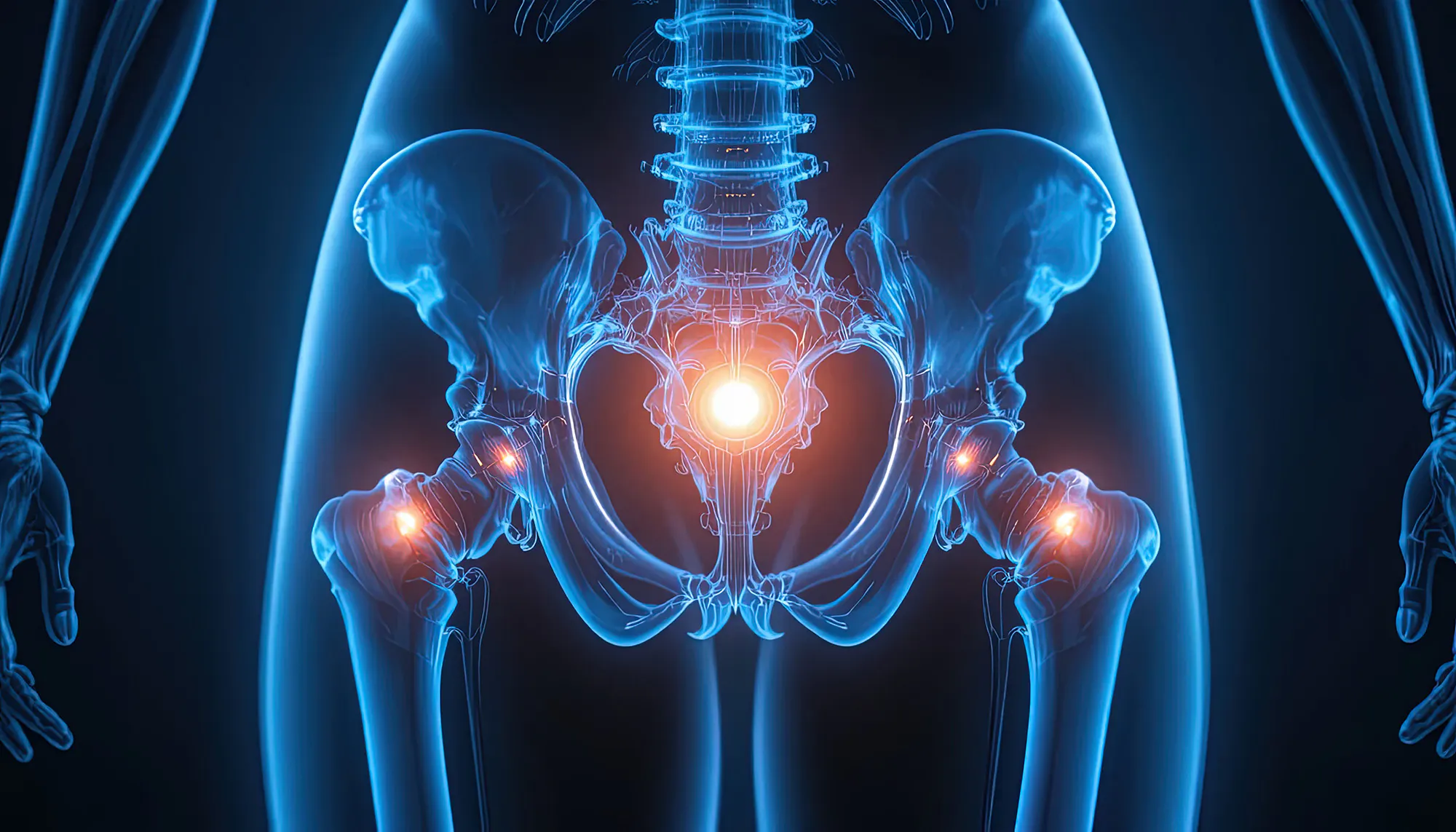
Pain in the lower back, hip, buttock, or groin can be both frustrating and confusing. Many people are surprised to find that their back pain actually comes from the hip or vice versa.