- Blog
Park Prescription: Why Orthopaedic Providers Encourage Outdoor Time
Posted on 09-17-2026 in Hip Pain, Joint Care, Foot/Ankle Pain & Exercise by Dr. Matthew Mai, Dr. Erik Nilssen

Posted on 09-17-2026 in Hip Pain, Joint Care, Foot/Ankle Pain & Exercise by Dr. Matthew Mai, Dr. Erik Nilssen
July is Park & Recreation Month, a national celebration of the green spaces and recreational opportunities that help communities thrive. At North Florida Bone & Joint Specialists, we believe this observance is the perfect reminder of how time spent outdoors isn’t just good for the soul—it’s good for your joints, too.
As orthopaedic surgeons, we see firsthand how limited movement can affect mobility, balance, and overall quality of life. That’s why, in addition to advanced surgical and non-surgical treatments, we often encourage a simple but powerful prescription: get outside and move.
Natural Terrain as a Built-In Therapy Tool
Local parks offer more than just a change of scenery. Trails, boardwalks, and soft surfaces, such as the edge of one of our pristine beaches, naturally engage muscles and tendons that often go underused. Walking on slightly uneven terrain activates stabilizing muscles in the feet and ankles while promoting core strength. However, patients should be cautious when using uneven terrain if they are already experiencing pain, have instability issues and/or are recovering from surgery.
Local Parks: An Underused Ally in Joint Care
We’re fortunate to live in a region full of outdoor gems. Santa Rosa and Escambia Counties are home to dozens of state parks, county recreational facilities, city greenways, and walking paths that make low-impact activity safe and accessible for people of all ages and abilities. Whether it’s a shaded stroll through Blackwater River State Park or a sunset walk along Pensacola Beach’s pedestrian paths, there’s an option for most every comfort level.
Tips for Safe Outdoor Activity
If you're looking to enjoy the outdoors this summer while protecting your joints, keep these tips in mind:
A Prescription That Starts at the Trailhead
Whether you're managing joint pain or simply want to stay active as you age, outdoor movement can be a powerful—and enjoyable—part of your care plan. At North Florida Bone & Joint Specialists, we’re proud to support our community’s wellness with expert orthopaedic care and personalized recommendations that go beyond the clinic walls.
This Park & Recreation Month, take the first step—literally. A walk in the park might just be the “medicine” your joints need.
Find a Park Near You
Looking for a place to get started? Use the links below to explore local parks and recreational areas in our region:
Click the play button below to watch The Bone & Joint Brief video on this topic!
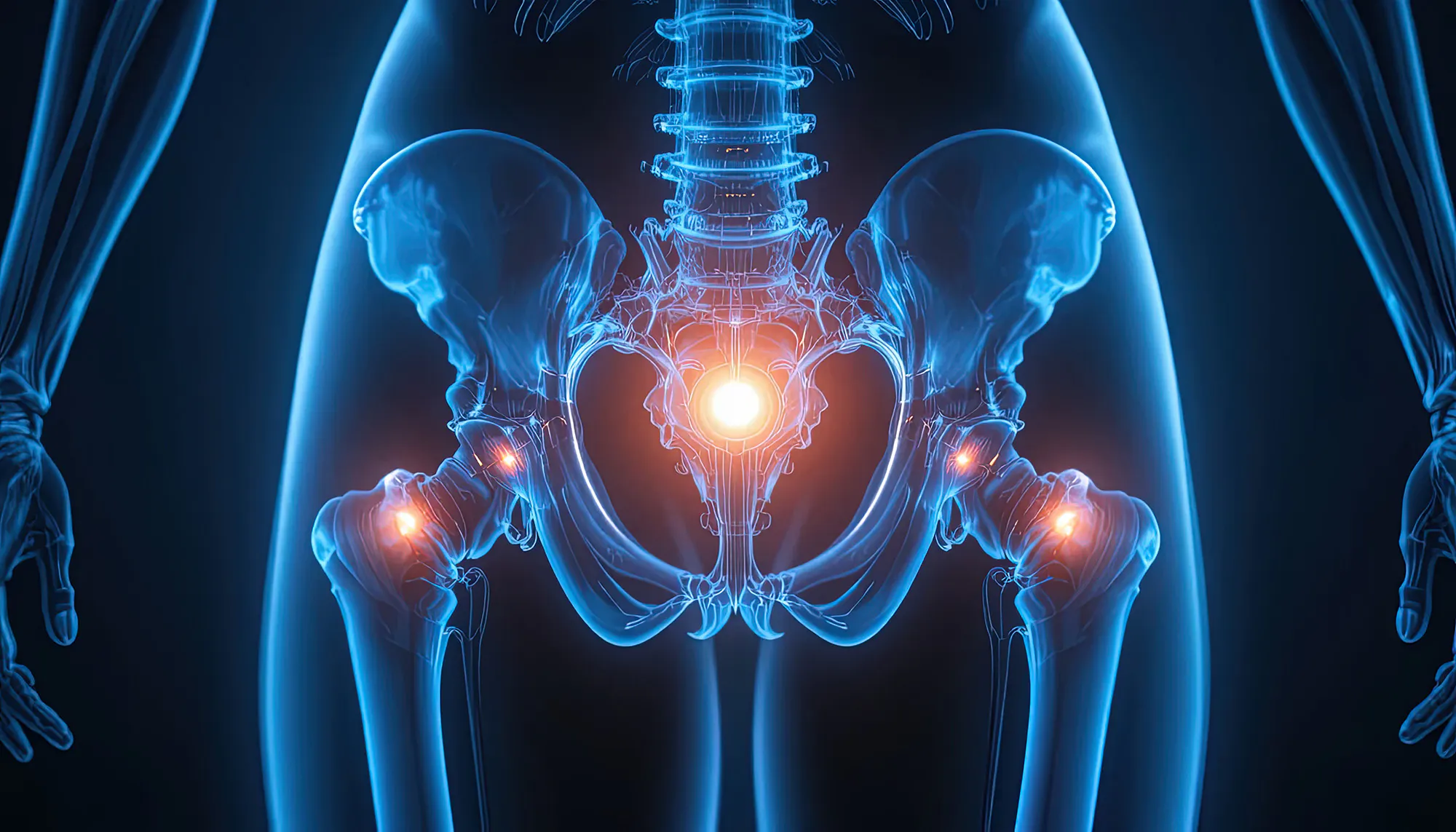
Pain in the lower back, hip, buttock, or groin can be both frustrating and confusing. Many people are surprised to find that their back pain actually comes from the hip or vice versa.
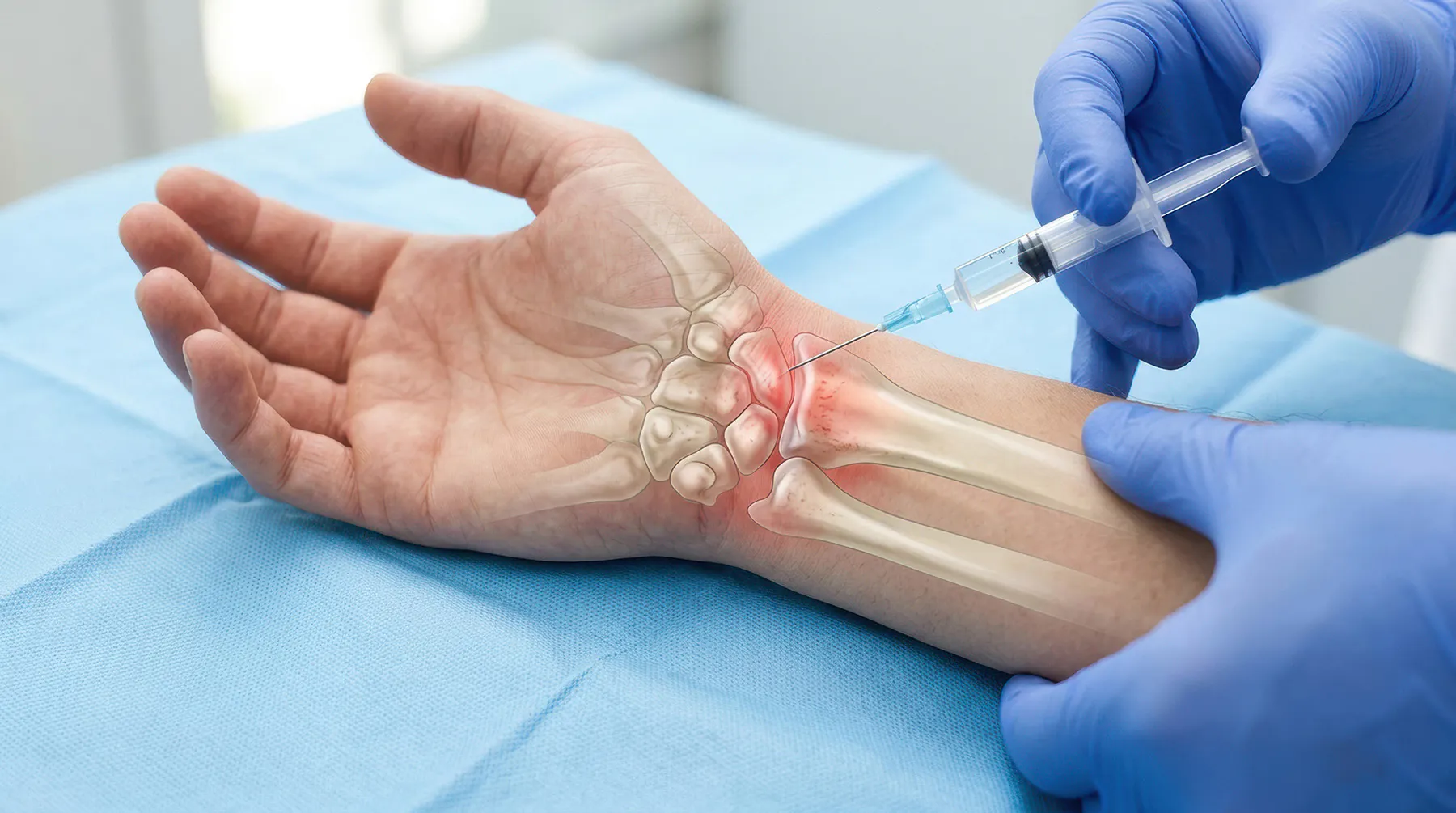
If you have been diagnosed with carpal tunnel syndrome, you may assume that treatment follows a predictable path: try a brace, move on to a corticosteroid injection if symptoms continue, and consider surgery only after those options stop working. For some patients, however, research suggests that reconsidering which comes first may be beneficial.
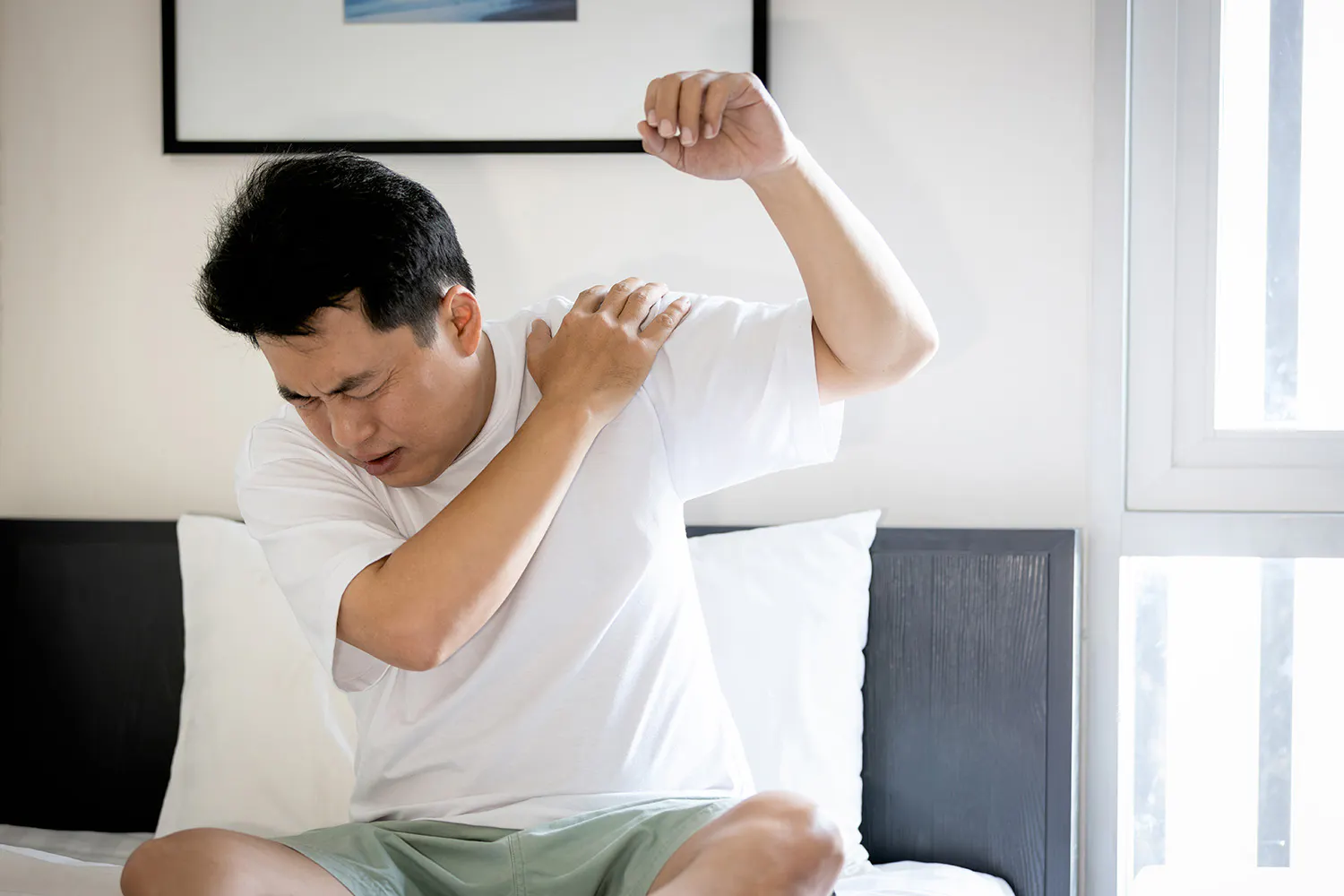
Reaching into a cabinet. Putting luggage in an overhead bin. Throwing a ball. Pulling on a shirt.