- Blog
Dupuytren’s Contracture Surgery
Posted on 09-18-2026 in Hand by Dr. Steven Kronlage

Posted on 09-18-2026 in Hand by Dr. Steven Kronlage
Many times, patients are told that they do not require surgery. A painless bump or a ‘cord’ does not need intervention if it does not cause a contracture.
Indications for intervention are a contracture of the metacarpophalangeal joint (knuckle) of 40° or any contracture of the proximal interphalangeal joint (the first joint of the finger). Surgery or enzyme injection can treat the contracture. Nothing will ‘cure’ a patient of Dupuytren’s. The decision for which type of treatment will be made depending on the level of the contracture and the severity of the contracture.
Aponeurotomy is a procedure done in the office. Under local anesthesia, a small needle is used to break up the cords. This allows the finger to straighten. This is used in minor cases and cases primarily with an MP contracture. A splint is worn for three weeks at night. When done in the right clinical setting, the results are very good. Not all contractures are amenable to aponeurotomy. Also, it will not remove large knots and cords as surgery would.
Visit Dupuytren’s Contracture for additional information, including symptoms and diagnosis details.

Pain in the lower back, hip, buttock, or groin can be both frustrating and confusing. Many people are surprised to find that their back pain actually comes from the hip or vice versa.
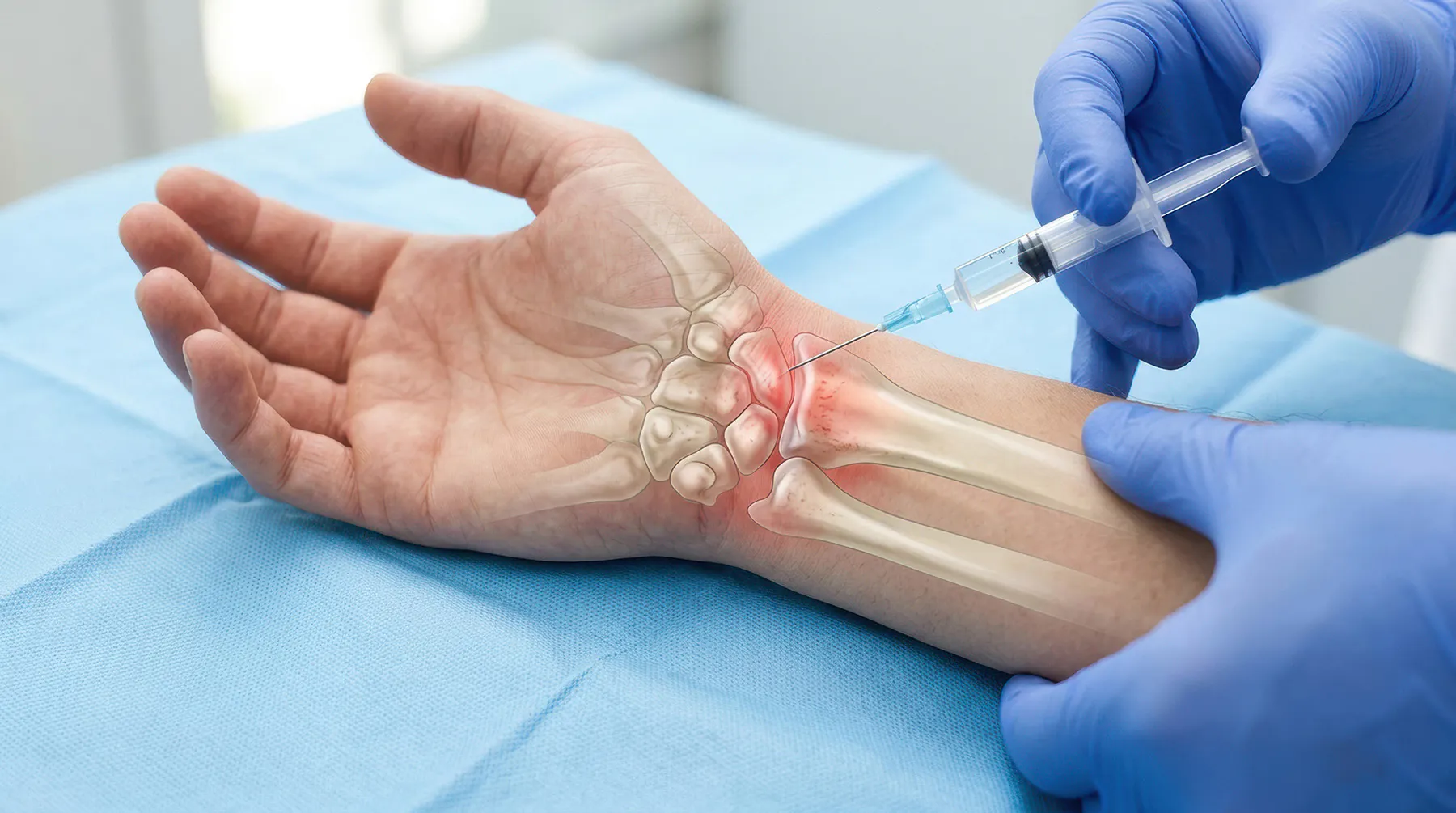
If you have been diagnosed with carpal tunnel syndrome, you may assume that treatment follows a predictable path: try a brace, move on to a corticosteroid injection if symptoms continue, and consider surgery only after those options stop working. For some patients, however, research suggests that reconsidering which comes first may be beneficial.

Reaching into a cabinet. Putting luggage in an overhead bin. Throwing a ball. Pulling on a shirt.