- Blog
Why Ankle Injuries Keep Coming Back & How to Break the Cycle
Posted on 09-17-2026 in Ankle Pain, Foot/Ankle Pain, Injury Prevention & Ankle Injury by Dr. Erik Nilssen

Posted on 09-17-2026 in Ankle Pain, Foot/Ankle Pain, Injury Prevention & Ankle Injury by Dr. Erik Nilssen
If you’ve ever sprained your ankle and thought, “this isn’t a big deal…it’s a minor injury,” you’re not alone. Ankle sprains are among the most common musculoskeletal injuries, especially in active adults and athletes. However, for some patients, what begins as a simple sprain becomes a frustrating cycle in which the ankle feels weak, unstable, and prone to “rolling” again and again. Understanding why this happens is the first step toward breaking the cycle and restoring long-term stability.
The Cycle & Seeking Care
According to the American Academy of Orthopaedic Surgeons (AAOS), ankle sprains occur when the ligaments that support the joint are stretched or torn, most often on the outer (lateral) side of the ankle. While many sprains improve with rest and time, not all ligaments heal fully or regain their original strength. When rehabilitation is incomplete or the injury is more severe than initially believed, the ankle can develop lingering instability. Without proper treatment, this instability increases the likelihood of repeated sprains.
It’s also important to note that a previous joint injury is a major risk factor for future injury, particularly in active individuals. These factors can also contribute to recurring ankle problems:
The good news is that while recurrent ankle sprains are common, they are also treatable, and early intervention can prevent long-term joint damage. If patients experience repeated ankle “rolling”, ongoing swelling, pain that persists beyond several weeks, instability during daily activities and/or difficulty returning to sports or exercise, it may be time for a comprehensive evaluation by our team. Early assessment helps determine whether symptoms are due to ligament injury, cartilage damage, tendon involvement or mechanical instability.
At North Florida Bone & Joint Specialists, we rely on a variety of treatment modalities, including conservative measures such as targeted physical therapy, bracing devices and temporary activity modification. If non-invasive options don’t prove effective, surgical stabilization procedures may be appropriate to repair damaged ligaments and restore long-term joint stability.
Taking the Next Step Toward Stability
Ignoring recurrent ankle sprains doesn’t just mean dealing with occasional discomfort. Over time, repeated instability can increase the risk of cartilage wear, tendon injury, and even early arthritis. Addressing ankle instability early helps protect long-term joint health, particularly for active individuals who want to continue participating in sports, fitness routines, or physically demanding work.
If you feel “stuck” in a pattern of repeated ankle injuries, specialized care is available. Fellowship-trained Orthopaedic Foot and Ankle Surgeon, Dr. Erik Nilssen and the team at North Florida Bone & Joint Specialists provide comprehensive evaluation and treatment, from conservative rehabilitation strategies to advanced surgical intervention when needed. To schedule an appointment, call 850-435-4800 or complete our Online Appointment Request Form.
Watch Dr. Nilssen’s video below for additional information on Ankle Sprains or our latest episode of the Bone & Joint Brief that recaps the article.

Pain in the lower back, hip, buttock, or groin can be both frustrating and confusing. Many people are surprised to find that their back pain actually comes from the hip or vice versa.
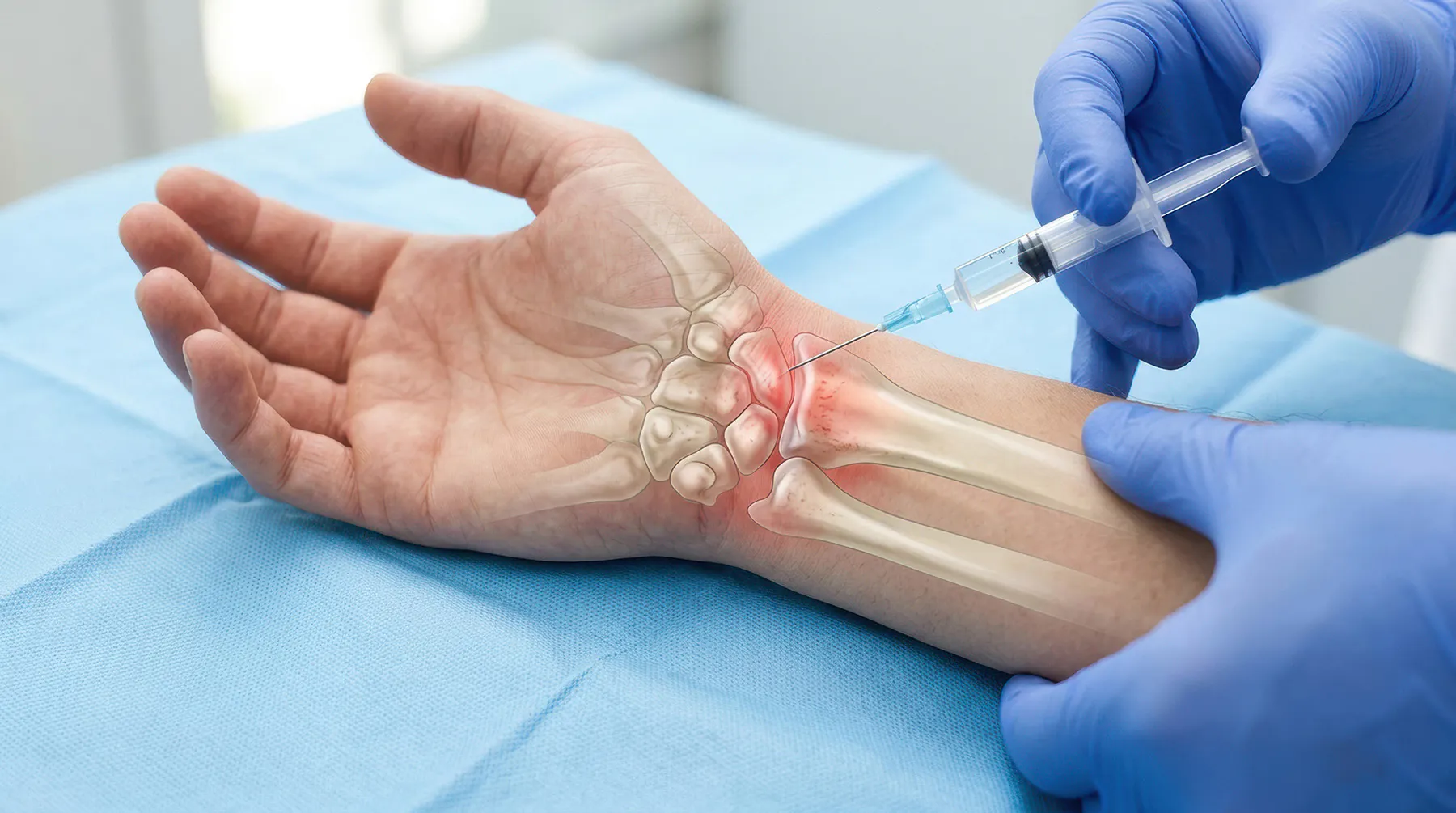
If you have been diagnosed with carpal tunnel syndrome, you may assume that treatment follows a predictable path: try a brace, move on to a corticosteroid injection if symptoms continue, and consider surgery only after those options stop working. For some patients, however, research suggests that reconsidering which comes first may be beneficial.

Reaching into a cabinet. Putting luggage in an overhead bin. Throwing a ball. Pulling on a shirt.