- Blog
When Knee Pain Doesn't Go Away: Signs It's Time to See an Orthopaedic Specialist
Posted on 09-14-2026 in Knee Pain by Dr. Christopher Bookout

Posted on 09-14-2026 in Knee Pain by Dr. Christopher Bookout
Occasional knee soreness after activity is common, especially for active adults. But when knee pain lingers, worsens, or begins to interfere with everyday movement, it may be a sign of an underlying issue that requires medical attention. Knowing when to move beyond rest and self-care can help protect the long-term health of your knee joint.
Below are some of the most common questions our patients ask at North Florida Bone & Joint Specialists when knee pain doesn't improve, and why early orthopaedic evaluation and intervention can make a meaningful difference.
How long is "too long" for knee pain to last?
While minor strains may resolve within a few days, knee pain that lasts more than two to three weeks should not be ignored. This is especially true if it limits a patient's ability to walk, climb stairs, or return to normal activity. Persistent pain may indicate structural damage within the joint that may not heal on its own.
What symptoms suggest something more serious is going on?
Certain symptoms are considered red flags and warrant evaluation at our office. These include:
These signs may indicate injuries to cartilage, ligaments, or the meniscus. All of which are critical structures to knee stability and function.
Why is it risky to ignore knee injuries?
Untreated knee injuries can gradually worsen. A torn meniscus or an anterior cruciate ligament (ACL) tear, coupled with a knee cartilage injury, for instance, may alter joint stability. This can accelerate joint wear and tear, leading to early knee arthritis, chronic instability, and more complex treatment needs down the road. Addressing knee injuries early may help preserve joint health and may reduce the risk of long-term degeneration.
When should imaging or further evaluation be considered?
If symptoms persist despite rest, activity modification, or over-the-counter treatment, advanced evaluation may be necessary. Imaging studies can help identify soft-tissue or cartilage damage that is not visible on standard X-rays. This information guides personalized treatment plans designed to restore function and protect the joint.
What treatment options are available?
Not all knee injuries are created equal. In many cases, non-invasive treatment options may include targeted physical therapy, activity modifications, bracing or supportive devices, injection therapies and/or ongoing monitoring to protect joint health.
Depending on the nature and severity of the condition or injury, surgical intervention may be necessary. When surgery is recommended, it is typically because it offers the best opportunity to restore stability and function. Various procedures, including ACL Reconstruction, Collateral Ligament Repair, Knee Arthroscopy, and Meniscus Repair or Removal, are among the most common we perform.
Take the Next Step Toward Knee Health
Early intervention isn't just about relieving pain. It's about preserving mobility, preventing the progression of joint damage, and maintaining an active lifestyle. Patients who seek evaluation sooner often have more treatment options and better long-term outcomes than those who delay care.
If knee pain isn't improving or is affecting your quality of life, expert care is available. Dr. Christopher Bookout and the team at North Florida Bone & Joint Specialists provide comprehensive evaluation and treatment for knee injuries and joint conditions. To request an appointment with Dr. Bookout, call 850-623-0543 or complete our Online Appointment Request Form.
Click play below to watch The Bone & Joint Brief video on this article!
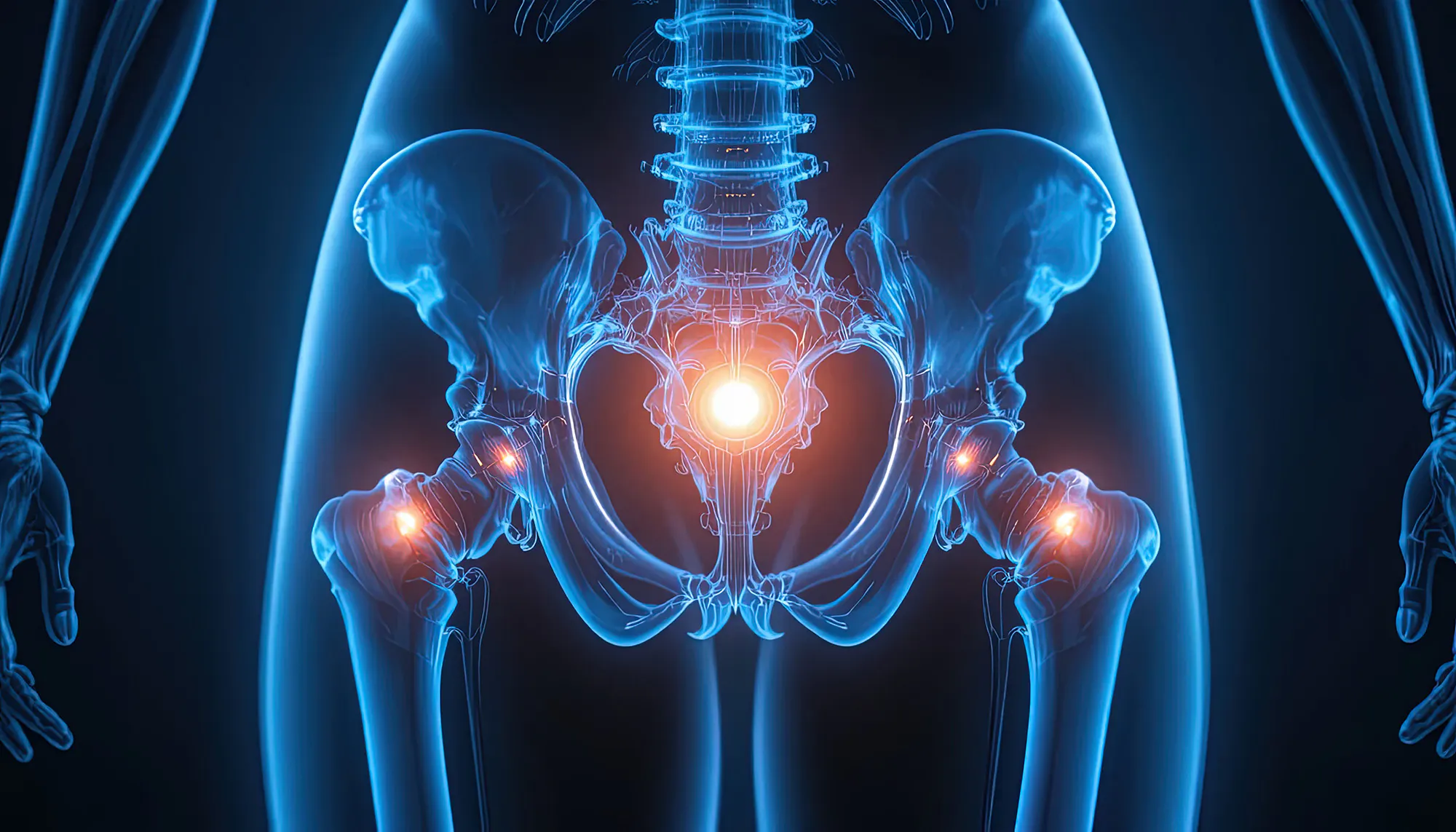
Pain in the lower back, hip, buttock, or groin can be both frustrating and confusing. Many people are surprised to find that their back pain actually comes from the hip or vice versa.
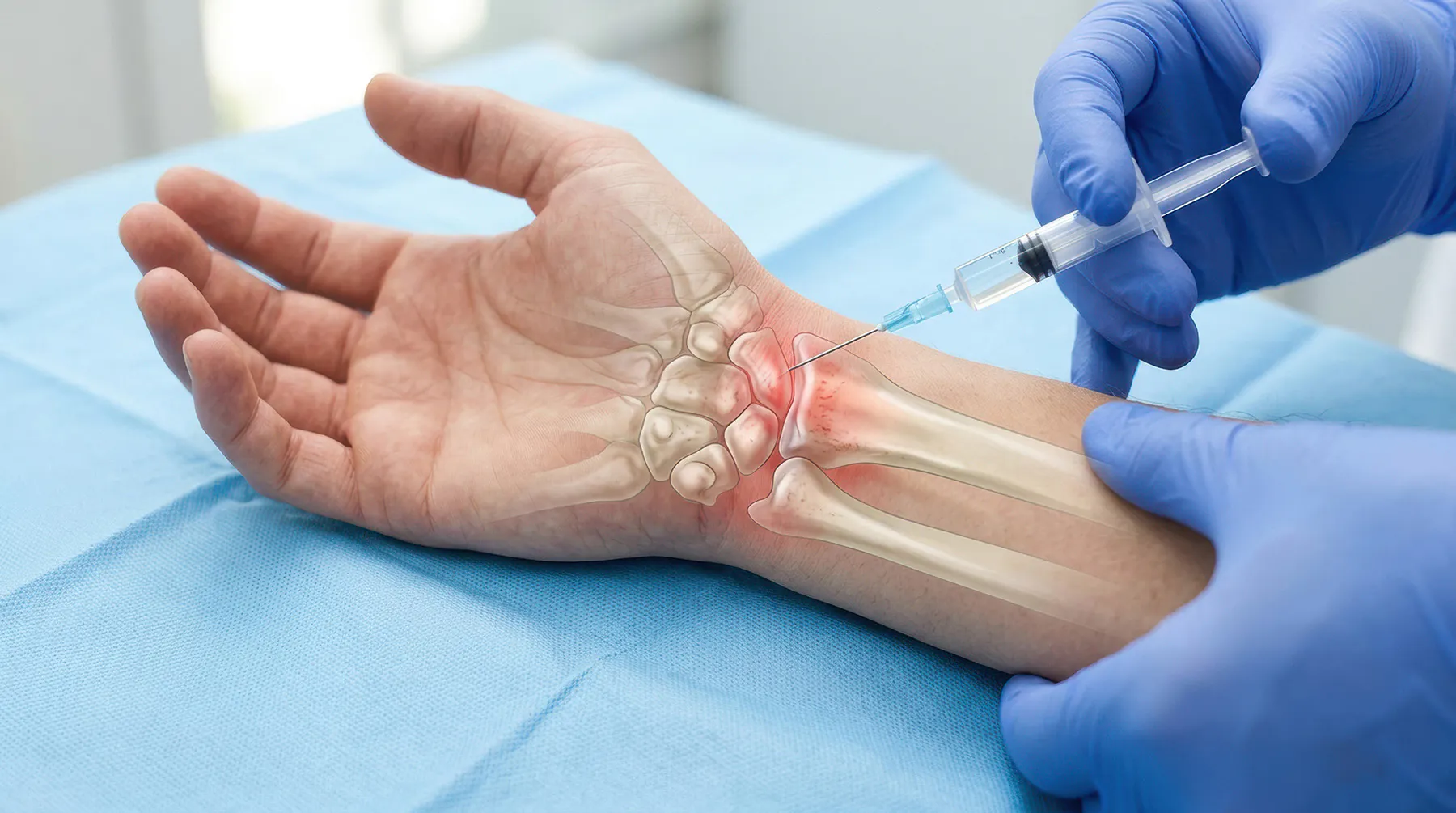
If you have been diagnosed with carpal tunnel syndrome, you may assume that treatment follows a predictable path: try a brace, move on to a corticosteroid injection if symptoms continue, and consider surgery only after those options stop working. For some patients, however, research suggests that reconsidering which comes first may be beneficial.

Reaching into a cabinet. Putting luggage in an overhead bin. Throwing a ball. Pulling on a shirt.