- Blog
Hip Pain vs. Back Pain: How to Tell the Difference
Posted on 10-23-2026 in SI Joint, SI Joint Disorders, Hip Pain, Spine Health & Back Pain by Dr. Matthew Mai
Posted on 10-23-2026 in SI Joint, SI Joint Disorders, Hip Pain, Spine Health & Back Pain by Dr. Matthew Mai
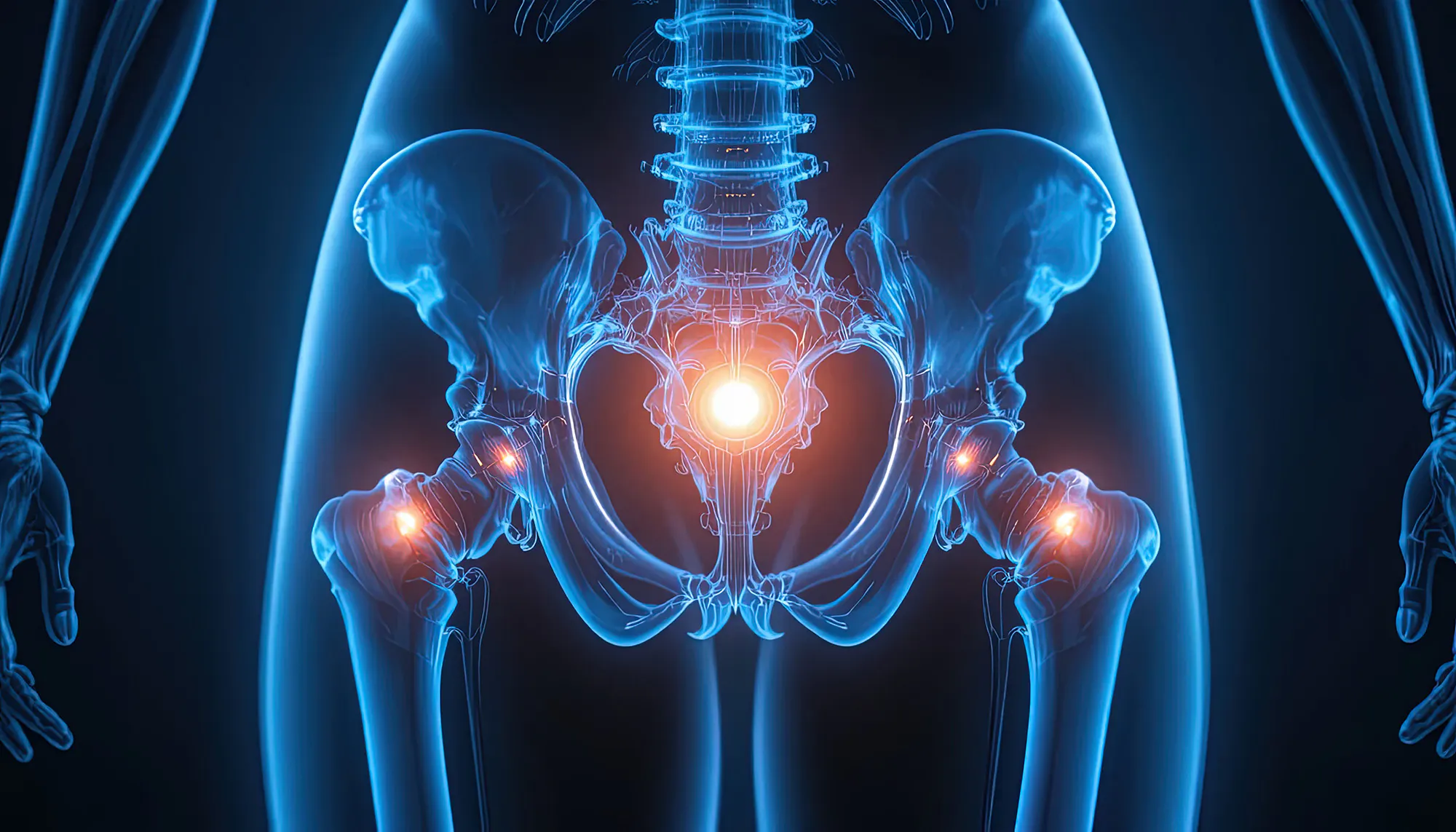
Pain in the lower back, hip, buttock, or groin can be both frustrating and confusing. Many people are surprised to find that their back pain actually comes from the hip or vice versa.
Because the hip and lower back are closely linked, finding the true source of pain can be hard. A common question patients ask is, "Is my pain from my hip or my back?" To answer, we look at pain location, what worsens it, and its daily impact.
Why Hip and Back Pain Are Often Confused
The hip joint and lower spine are connected through a complex network of muscles, tendons, nerves, and supporting structures. When one area is not functioning properly, the other often compensates. This relationship can create overlapping symptoms that make self-diagnosis difficult.
For example, a patient with hip arthritis may experience discomfort in the groin, thigh, buttock, or even the knee. Meanwhile, a patient with a lumbar spine condition may feel pain radiating into the hip or leg despite having a healthy hip joint. According to the American Academy of Orthopaedic Surgeons (AAOS), hip arthritis commonly causes pain and stiffness that can affect routine activities such as walking and climbing stairs. Because symptoms often overlap, identifying the true source of pain requires looking beyond the location alone.
Signs the Pain May Be Coming From Your Hip
One of the most common indicators of a hip problem is deep groin pain. Patients frequently describe hip pain as stiffness after prolonged sitting, difficulty putting on shoes or socks, and discomfort getting in and out of a vehicle. Patients also experience worsening pain with walking or prolonged activity.
Hip arthritis, labral tears, and Ischiofemoral Impingement (IFI) are among the conditions that can produce these symptoms. Many patients are surprised to learn that hip conditions can also cause pain that travels down the front of the thigh or into the knee. As a result, some seek treatment for knee pain before realizing the hip is the actual source of the problem.
Signs the Pain May Be Coming From Your Back
Back-related pain often behaves differently. Patients with lumbar spine conditions may experience:
The National Institute of Arthritis and Musculoskeletal and Skin Diseases (NIAMS) notes that nerve irritation in the lower back can produce symptoms extending well beyond the spine itself.
When nerves are involved, symptoms often travel farther down the leg than pain originating from the hip joint.
Many adults over 50 can have both hip and back issues, called hip-spine syndrome. Problems in one area affect the other. For example, hip arthritis can change your walk and strain the back, while back issues can affect hip function. Pinpointing which problem causes the most symptoms is key to treatment. Many hip and back issues respond well to conservative care. When that fails, procedures like hip arthroscopy may help.
Don't Ignore Persistent Pain
Pain that limits movement or sleep may signal a condition needing care. Identifying the source early helps build a plan to restore mobility and quality of life. If you're experiencing persistent hip, groin, buttock, or lower back pain, Dr. Matthew Mai and the team at North Florida Bone & Joint Specialists provide specialized evaluation and treatment for hip conditions ranging from arthritis and labral tears to complex hip preservation and reconstruction procedures. To schedule a consultation, submit our Online Appointment Request Form or call Dr. Mai’s office at 850-382-3999.
Watch the Bone & Joint Brief blog highlight video below.

You roll an ankle on the court, feel a pull in your hamstring during a run or land awkwardly during a game. Once the initial surprise wears off, the next question is usually the same: What should I do now?

Each year, from October 6 to 12, we celebrate National Physician Assistants Week and recognize this dedicated group of professionals who provide exceptional care to our patients at North Florida Bone & Joint Specialists. Each plays a transformative role in our practice and in the communities we serve by delivering high-quality, collaborative care that prioritizes patients' needs.