- Blog
Knee Arthritis or Chronic Low Back Pain? How Peripheral Nerve Stimulation May Fit Into Your Treatment Plan
Posted on 09-17-2026 in Knee Pain, Peripheral Nerve Stimulation, Knee Replacement, Spine Health & Back Pain by Dr. Brett Smith
Posted on 09-17-2026 in Knee Pain, Peripheral Nerve Stimulation, Knee Replacement, Spine Health & Back Pain by Dr. Brett Smith
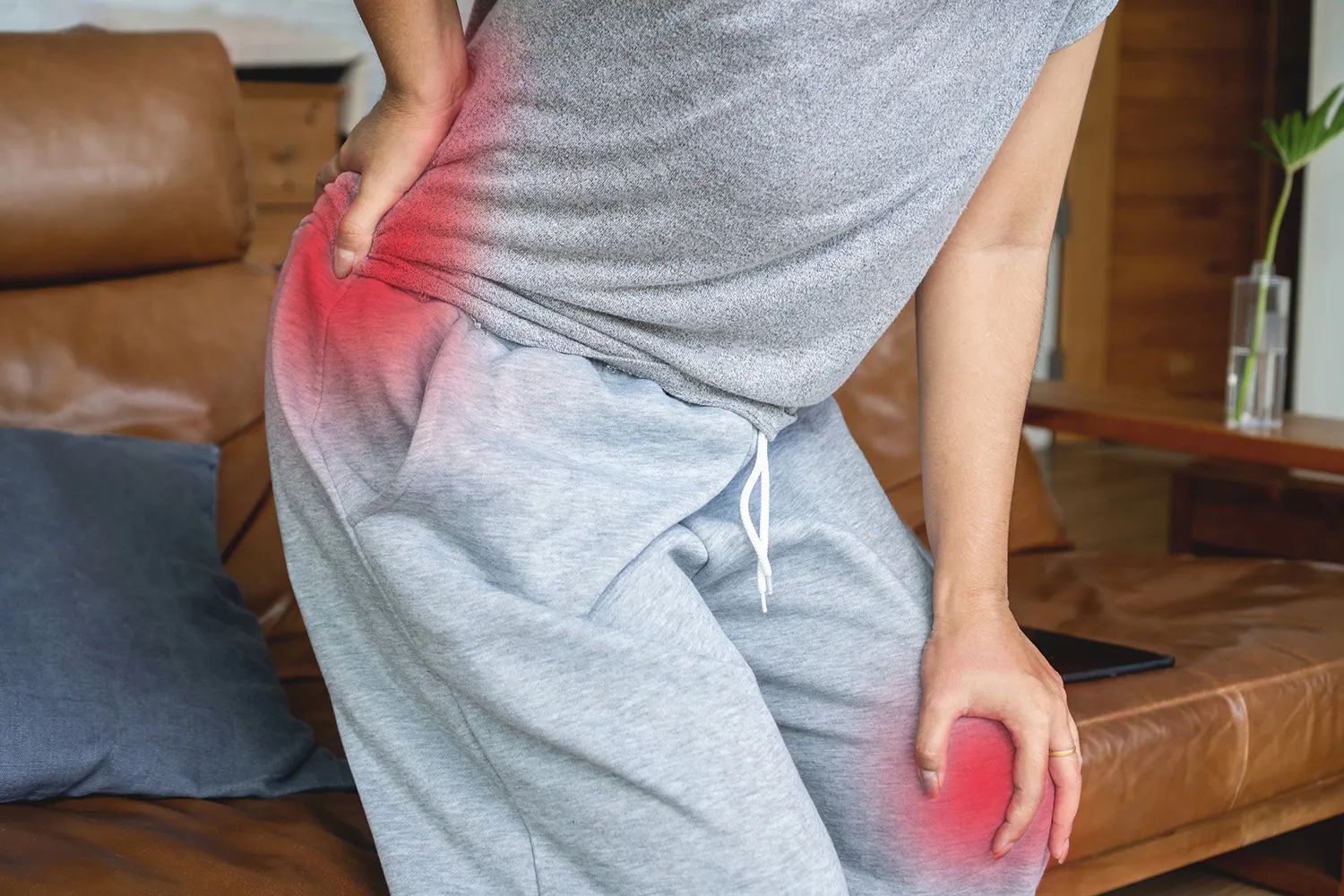
For many patients living with chronic low back pain (LBP) and advanced knee arthritis, there comes a point when the treatments that once provided relief no longer seem to work as well. Medications may offer only temporary comfort, injections may become less effective over time, and everyday activities like walking, climbing stairs, or even getting out of a chair can become increasingly difficult. At that point, many patients ask the same question: "Am I ready for surgery, or are there other options I should consider first?" The answer is rarely as simple as "yes" or "no."
Modern orthopaedic care isn't about recommending back surgery or knee replacement surgery as the first solution or avoiding the procedures at all costs. Instead, it's about understanding where a patient is in the progression of their condition and selecting the treatment that best supports their goals, lifestyle and quality of life. For some patients, that conversation may include Peripheral Nerve Stimulation (PNS).
Treatment Is a Journey, Not a Single Decision
Knee arthritis typically develops gradually. As cartilage wears away, joints become less able to move comfortably, often leading to pain, stiffness, swelling, and reduced mobility. While chronic low back pain is a leading cause of disability among adults, it is one of the most prevalent musculoskeletal conditions that is challenging to treat.
Because both LBP and arthritis progress differently for every patient, treatment should be individualized. Depending on symptom severity, a treatment plan may include physical therapy, activity modification, anti-inflammatory medications, and image-guided injections. It may also include peripheral nerve stimulation and, when appropriate, surgical intervention. Regardless of treatment type, the goal remains the same: helping patients stay active, maintain independence, and improve quality of life using the most suitable option at the right time.
Where Peripheral Nerve Stimulation Fits
Peripheral nerve stimulation is one of the newer tools available to help carefully selected patients manage chronic low back and knee pain. Rather than treating the damaged joint itself, PNS works by interrupting pain signals traveling through specific peripheral nerves before they reach the brain. By reducing pain perception, many patients experience meaningful improvements in comfort and function without relying solely on medications.
Unlike more invasive surgical procedures, PNS is performed using a minimally invasive technique and may be considered for patients whose pain has persisted despite more traditional conservative treatments. For patients who are not yet ready or who would like to explore additional options before proceeding with surgery, PNS may offer another step along the treatment continuum.
Can Peripheral Nerve Stimulation Delay Surgery?
This is one of the most common questions patients ask, and the answer depends on the individual patient. Peripheral nerve stimulation does not rebuild cartilage or reverse arthritis. Instead, its purpose is to help reduce pain and improve function. For some patients, that improvement may allow them to remain active longer before considering an invasive surgical procedure, while others may find surgery a more desirable long-term solution.
Rather than viewing PNS as an alternative to joint replacement, it is often more helpful to think of it as another option that may help bridge the gap between conservative care and surgery for appropriately selected patients.
Peripheral Nerve Stimulation May Also Support Recovery
Although peripheral nerve stimulation is often discussed as a treatment prior to surgery, it may also play a post-op role for certain patients after knee replacement or back surgery, helping manage persistent pain by targeting specific nerves involved in ongoing discomfort. In these cases, PNS may support recovery by assisting with pain management, enabling better participation in physical therapy, and enhancing other components of a comprehensive pain management plan.
Not every surgical patient will require peripheral nerve stimulation. However, having access to advanced treatment options allows care to be tailored to each patient's individual needs rather than relying on a one-size-fits-all approach.
Choosing the Right Treatment at the Right Time
In reality, today's patients have access to a broad spectrum of therapies designed to reduce pain, improve mobility, and preserve quality of life. If knee arthritis or lower back pain is limiting your ability to stay active, Dr. Brett Smith provides comprehensive evaluation and treatment, from advanced nonsurgical options such as peripheral nerve stimulation to total joint replacement and adult reconstruction. To schedule a consultation with Dr. Smith, call 850-916-8787 or complete our Online Appointment Request Form.
Watch the Bone & Joint Brief blog highlight video below.
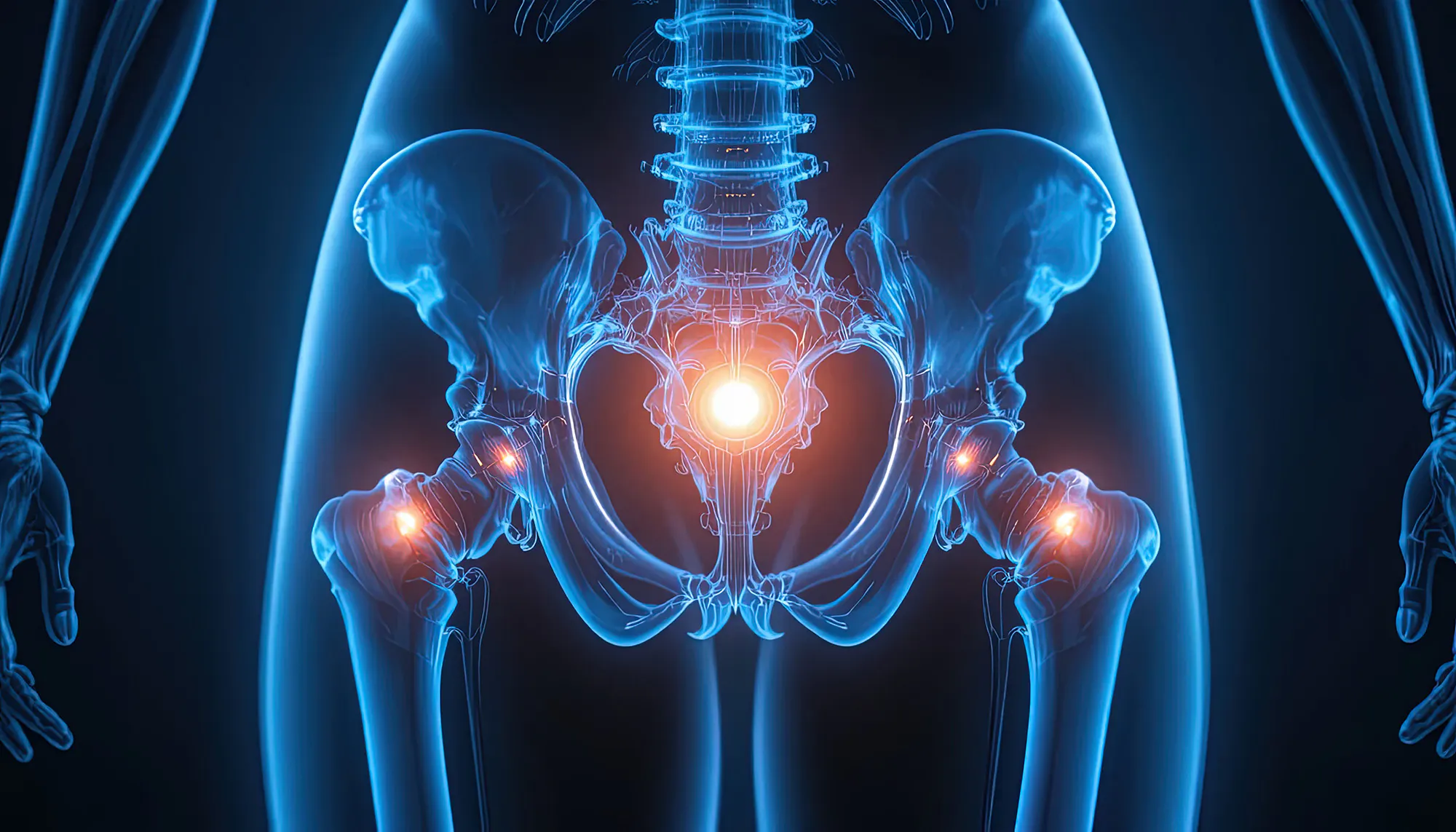
Pain in the lower back, hip, buttock, or groin can be both frustrating and confusing. Many people are surprised to find that their back pain actually comes from the hip or vice versa.
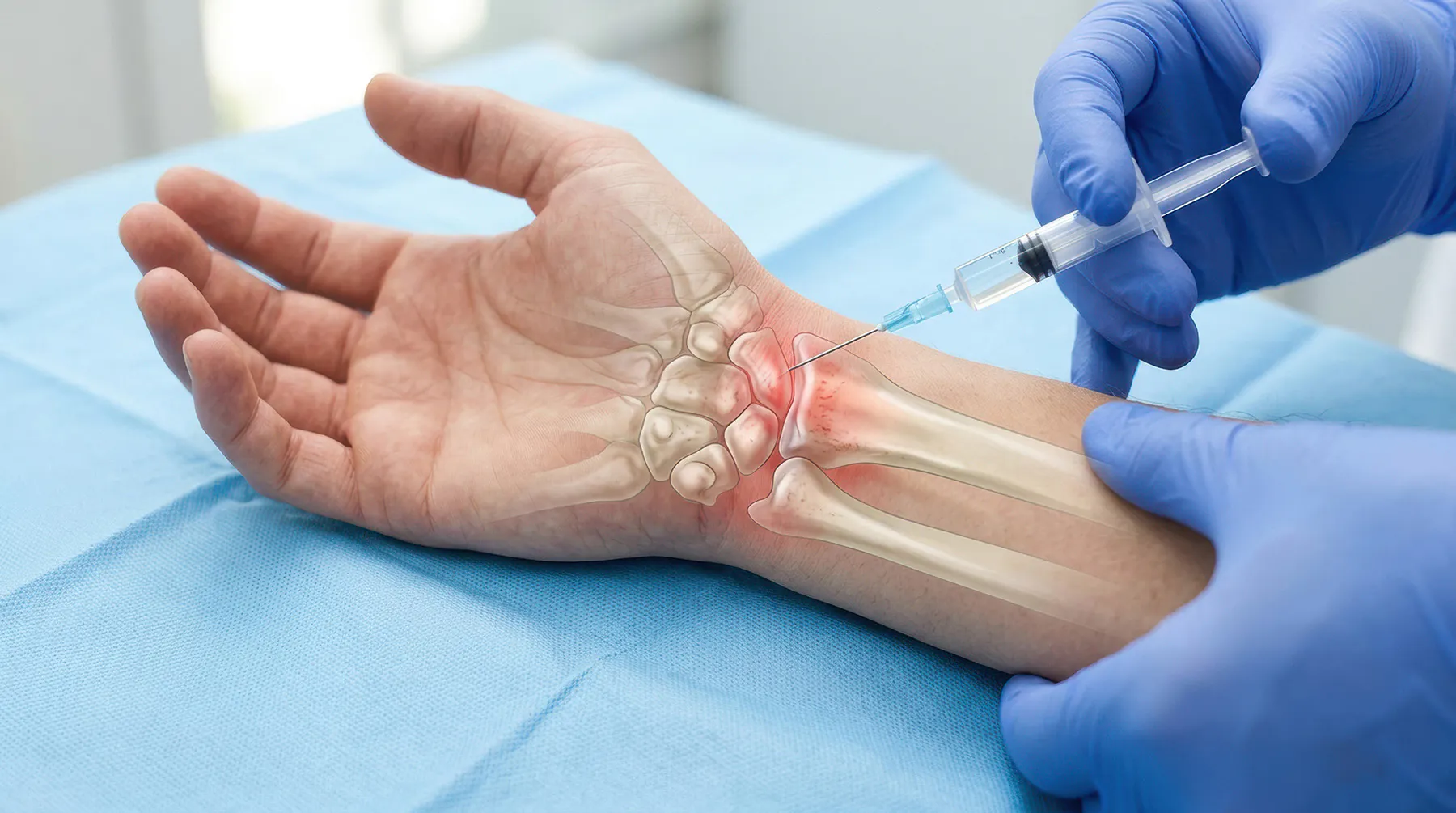
If you have been diagnosed with carpal tunnel syndrome, you may assume that treatment follows a predictable path: try a brace, move on to a corticosteroid injection if symptoms continue, and consider surgery only after those options stop working. For some patients, however, research suggests that reconsidering which comes first may be beneficial.

Reaching into a cabinet. Putting luggage in an overhead bin. Throwing a ball. Pulling on a shirt.