- Blog
Top 5 Exercises and Stretches to Relieve Shoulder Pain
Posted on 09-18-2026 in Shoulder by Dr. Chris O'Grady

Posted on 09-18-2026 in Shoulder by Dr. Chris O'Grady
Introduction
Shoulder pain, one of the most common orthopaedic conditions, is caused by damage to one or more of the components of the shoulder—the bones, muscles, tendons and ligaments that comprise the joint. This damage can be caused by disease, chronic overuse, or acute injury, so shoulder pain can appear immediately or progress gradually over time.
If you are currently experiencing shoulder pain, starting a shoulder strength and flexibility program may help reduce or eliminate your discomfort. Never perform any activity, stretching or otherwise, that causes pain or discomfort in your shoulder. We have assembled below a list of the top five strength and flexibility exercises you can perform at home to help combat shoulder pain.
Top 5 Exercises
Internal Rotation with Anchored Resistance - Holding an anchored resistance band, stand upright with your elbow at a 90-degree angle and a towel tucked under your upper arm. The shoulder not being exercised should be facing the anchor point of your resistance band. Slowly, and under complete control, rotate your outstretched hand away from the midline of your body and hold for two seconds at the end of your comfortable range of motion. Repeat for ten reps and perform three sets with each arm.
External Rotation with Anchored Resistance - Holding an anchored resistance band, stand upright with your elbow at a 90-degree angle and a towel tucked under your upper arm. The shoulder being exercised should be facing the anchor point of your resistance band. Slowly, and under complete control, rotate your arm towards the midline of your body and hold for two seconds. Repeat for ten reps and perform three sets with each arm.
Prone Shoulder Horizontal Abduction - Lying facedown on a table or bed, allow your arm to hang off the side. Keeping your elbow straight and your thumb pointed to the ceiling, raise your arm out to your side at a 90-degree angle and hold for five seconds. Lower the arm back down to complete one rep. Perform three sets of ten reps on each arm, adding weight as able.
Prone Shoulder Row - Lying facedown on a table or bed, allow your arm to hang off the side. Slowly, and under complete control, raise your elbow, taking care to keep it tucked toward your body, and hold for five seconds at the top. Perform three sets of ten reps on each arm, adding weight as able.
Side-lying External Rotation - Lying on your side with a towel between your upper arm and side, bend your elbow at 90-degrees and lay it across your chest. Slowly, and under complete control, rotate your forearm towards the ceiling, holding for five seconds to complete one rep. Perform three sets of ten reps on each arm, adding weight as you are able.
Top 5 Stretches
Cross-Body Stretch - Raise your right arm directly out in front of you like you are pointing at something on the horizon. Place your left hand under and on the outside of your right elbow and gently pull your arm to the left across your chest; if you feel pain, lower your arm until it subsides. Hold the stretch for 30-60 seconds and repeat 3-5 times with each arm.
Trapezius Stretch - With good posture, sit up straight in your chair and slowly lower your chin to your chest. Pause and hold once you begin to feel a stretch in the back of your neck. Lean your head to the left and right to stretch out each shoulder. Hold each stretch (midline, left and right) for one minute, focusing on breathing deeply and relaxing as best as you can. Repeat this three-minute routine 3-5 times.
Open Book or Doorway Stretch - Lay on your side with both arms directly out in front of you and your top knee bent at 90 degrees, placed on the floor to stabilize the position. Open your chest by rotating the top arm and bringing your top shoulder to the floor. Hold the stretch for ten to fifteen seconds per rep, performing ten reps on each side.
Modified Triangle Pose - Triangle pose is a common yoga pose that can be modified to fit any skill level. Standing with one leg forward with toes pointed straight out, bend at the hips and place your front arm on your shin. Rotating at the waist, raise your back arm to the ceiling, feeling the stretch between your shoulder blades.
Sleeper Stretch - Lay on your side with your bottom arm bent upward at a 90-degree angle, fingers pointing toward the ceiling. With your other arm, gently apply downward pressure until you feel a stretch in your shoulder. Hold the stretch for ten seconds and perform two sets of ten reps on each arm. It is important to ensure your body does not roll forward or backward off your side during the exercise, as this can cause injury.
Following an at-home exercise regimen can help mitigate or prevent minor shoulder pain. However, if you have pain or discomfort that lasts for more than a few days and cannot be treated with at-home remedies—like ice, massage, and stretching—you should seek medical treatment as soon as possible.
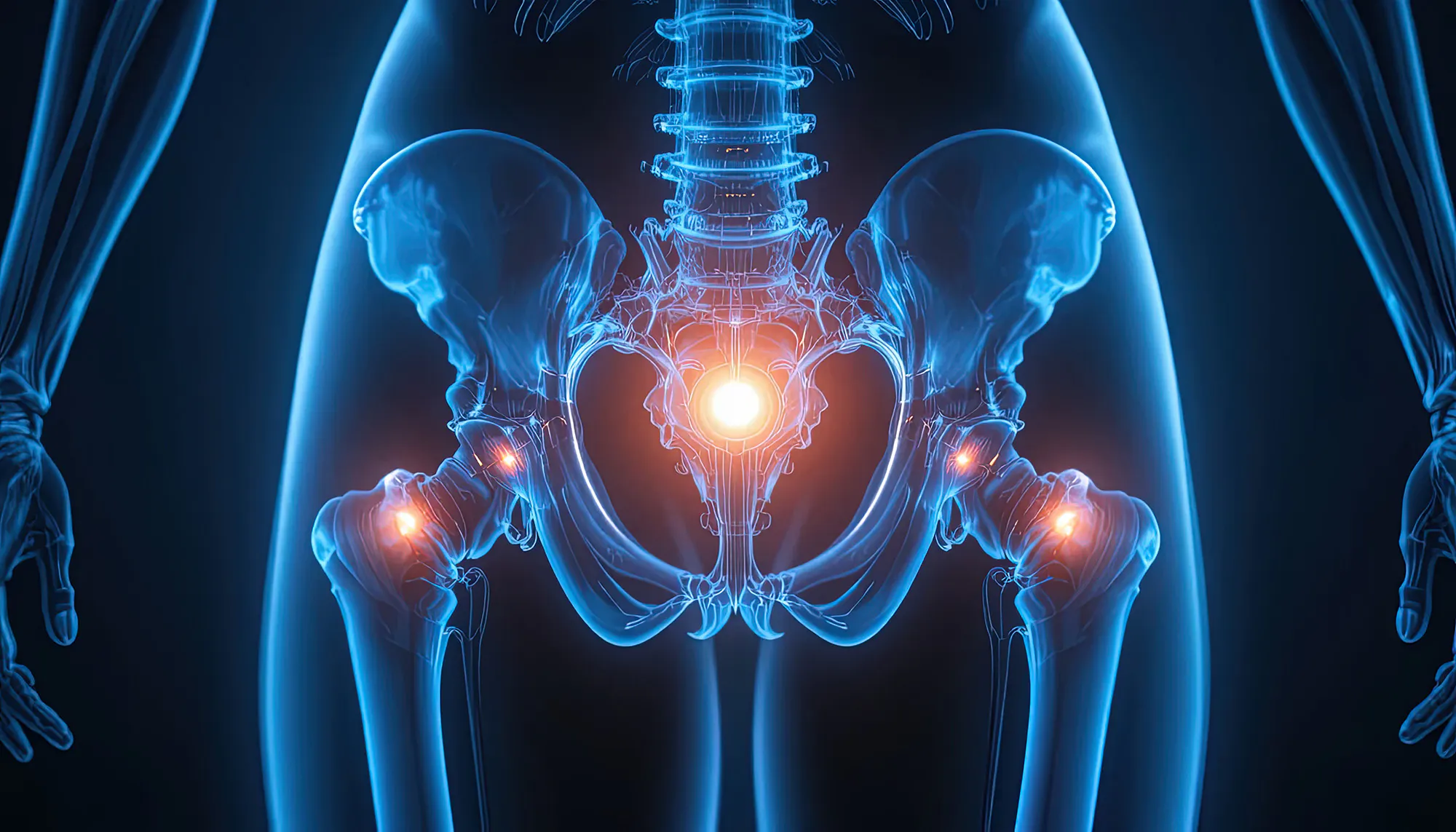
Pain in the lower back, hip, buttock, or groin can be both frustrating and confusing. Many people are surprised to find that their back pain actually comes from the hip or vice versa.

If you have been diagnosed with carpal tunnel syndrome, you may assume that treatment follows a predictable path: try a brace, move on to a corticosteroid injection if symptoms continue, and consider surgery only after those options stop working. For some patients, however, research suggests that reconsidering which comes first may be beneficial.

Reaching into a cabinet. Putting luggage in an overhead bin. Throwing a ball. Pulling on a shirt.