- Blog
The First 48 Hours After a Sports Injury: What Should You Actually Do?
Posted on 09-29-2026 in Sports Medicine, Lob Docs, Youth Sports, Hurt App, Primary Care Sports Medicine, Sports Injury & Injury Care by Dr. Ryan Riggs

Posted on 09-29-2026 in Sports Medicine, Lob Docs, Youth Sports, Hurt App, Primary Care Sports Medicine, Sports Injury & Injury Care by Dr. Ryan Riggs
You roll an ankle on the court, feel a pull in your hamstring during a run or land awkwardly during a game. Once the initial surprise wears off, the next question is usually the same: What should I do now?
For years, the standard response to many sports injuries could be summed up using the familiar acronym “RICE,” which stands for rest, ice, compression and elevation. While those measures can still be useful for managing pain and swelling after an acute injury, it’s also important to take a more individualized approach. After all, the goal isn't simply to stop moving and wait. It's about protecting the injured area, managing symptoms and gradually restoring movement when it is safe to do so.
First, Stop Playing and Protect the Injury
One of the most important things you can do immediately after an injury is also one of the hardest, especially for competitive athletes: stop. Trying to "test it out" by continuing to run, jump or play may place additional stress on an already injured muscle, tendon, ligament, joint or bone and worsen or prolong symptoms. If you're limping, unable to move normally or changing your mechanics to compensate for pain, continuing the activity isn't worth the risk.
Protection doesn't always mean complete immobilization. Depending on the injury, it may mean temporarily avoiding the movement that caused pain, reducing weight-bearing or using a brace, splint or crutches when appropriate. The key is to protect the injured tissue without putting it at further risk for injury. Don’t assume that every injury requires days of complete rest.
What About Ice, Compression and Elevation?
Ice, compression and elevation can make the first day or two more comfortable. However, remember they are strategies to help manage symptoms. They don't tell you what was injured or determine when it is safe to return to activity.
Ice remains a useful tool for managing pain and swelling after many acute musculoskeletal injuries. Apply a cold pack with a cloth or towel between the ice and your skin (never directly against the skin), generally for no more than about 20 minutes at a time. Compression with an elastic wrap or appropriate support may also help control swelling. It should feel supportive, not excessively tight. Numbness, tingling, increasing pain or changes in skin color below the wrap are signs that it may be too tight. Elevation can be helpful when swelling is significant, particularly with ankle, knee, wrist or other extremity injuries. When practical, positioning the injured area above the level of the heart can help reduce swelling.
Don't Be Afraid of Appropriate Movement
"Rest" can easily be interpreted as "don't move at all." For some injuries, especially fractures, dislocations or significant ligament or tendon injuries, immobilization may indeed be necessary. For many less severe soft-tissue injuries, however, prolonged rest isn't always the goal.
In fact, as pain settles, gentle, pain-limited movement may help restore normal mobility. Early injury rehabilitation has been shown to speed up the healing process and reduce the risk of reinjury. For example, someone with a mild ankle sprain may eventually begin gradually putting weight on the foot as tolerated rather than keeping it completely inactive for an extended period. Movement shouldn't mean pushing through sharp pain, instability or significant weakness.
Be Thoughtful About Pain Relief
Over-the-counter medications may help manage pain after an injury, but the best choice isn't necessarily the same for everyone. Acetaminophen and nonsteroidal anti-inflammatory drugs (NSAIDs), such as ibuprofen or naproxen, work differently and may not be appropriate for every patient.
Your medical history, other medications, kidney or liver function, gastrointestinal issues and other health considerations can affect which medication is appropriate. Follow label directions and talk with your healthcare provider if you're unsure which option is safe for you. More importantly, don't use pain relief to mask symptoms so you can return to play before an injury is ready. Feeling less pain doesn't necessarily mean injured tissue has recovered.
Know the Signs That Deserve an Evaluation
Some sports injuries can be managed at home at first, but others should be evaluated promptly. Consider seeking medical attention if you experience:
The First 48 Hours Are Only the Beginning
One of the biggest mistakes athletes make after an injury is using the calendar as the primary measure of recovery. Before returning to sport, the injured area should be able to tolerate the movements your activity requires. Depending on the injury, that may mean restoring motion, strength, balance, stability and sport-specific function, not simply waiting until the swelling goes down. An accurate diagnosis can also matter more than how much time has passed. Knowing what you're treating lets you base recovery and return-to-play decisions on the injury rather than guesswork.
At North Florida Bone & Joint Specialists, Sports Medicine Physician Dr. Ryan Riggs treats acute and overuse injuries in athletes and active individuals of varying ages and activity levels. Visit Dr. Riggs’ Physician Page to learn more or submit our Online Appointment Request Form to schedule a visit. If an injury happens after regular office hours or you're unsure what your next step should be, NFBJS also offers Hurt!, providing convenient access from your phone, tablet or computer to help determine the appropriate level of orthopaedic care. Visit our Virtual Access page to learn more or to get started.
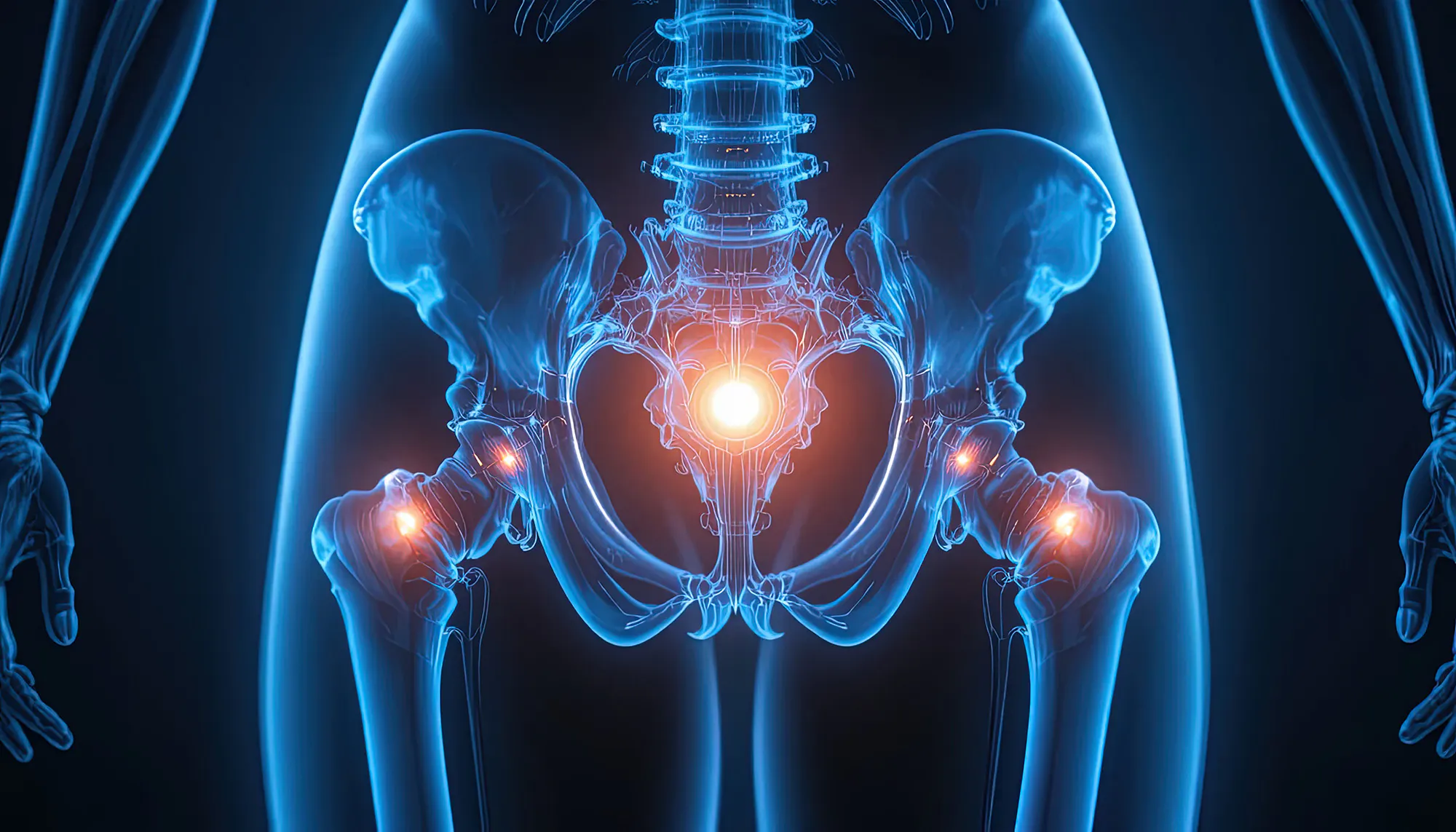
Pain in the lower back, hip, buttock, or groin can be both frustrating and confusing. Many people are surprised to find that their back pain actually comes from the hip or vice versa.
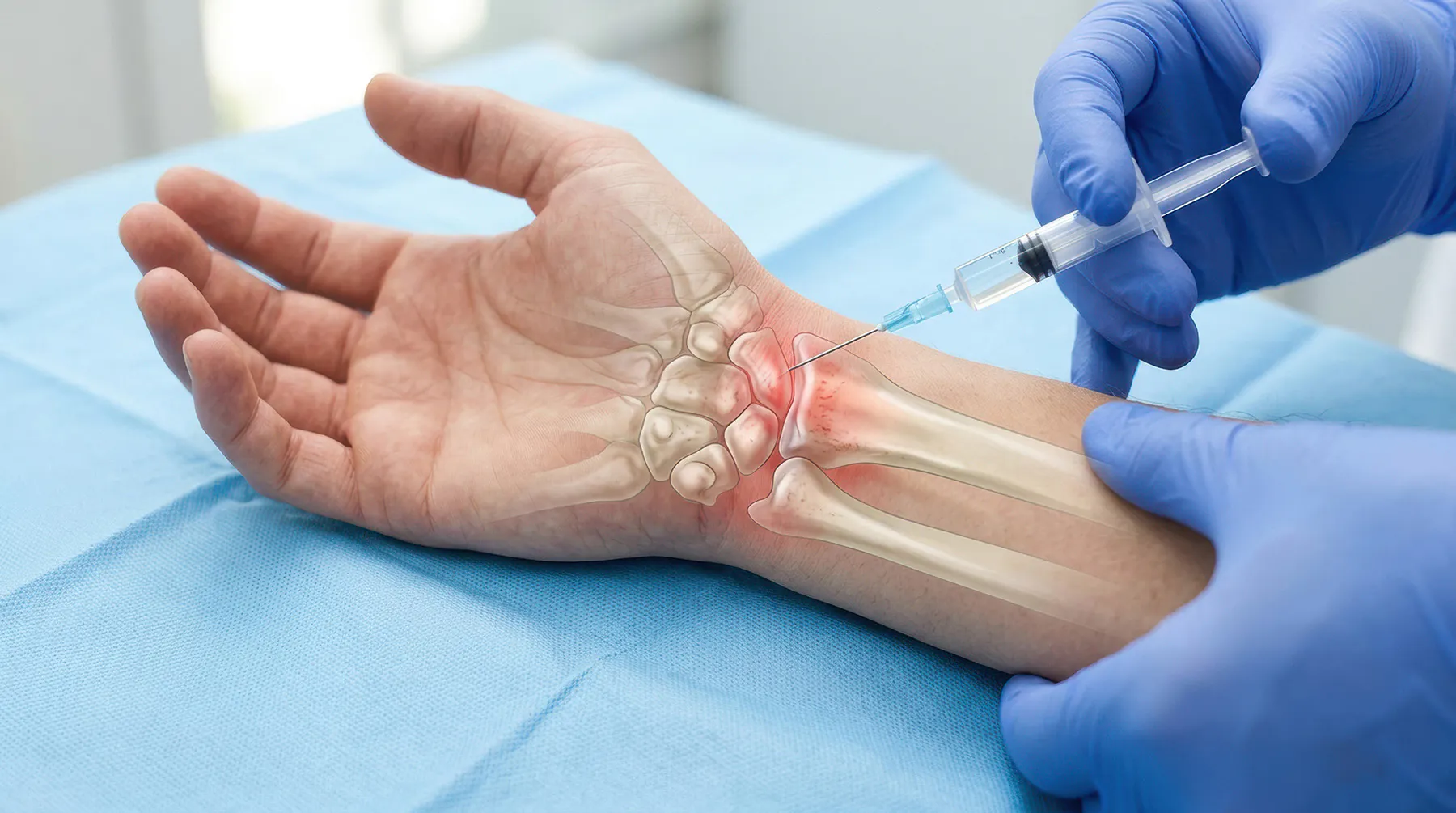
If you have been diagnosed with carpal tunnel syndrome, you may assume that treatment follows a predictable path: try a brace, move on to a corticosteroid injection if symptoms continue, and consider surgery only after those options stop working. For some patients, however, research suggests that reconsidering which comes first may be beneficial.
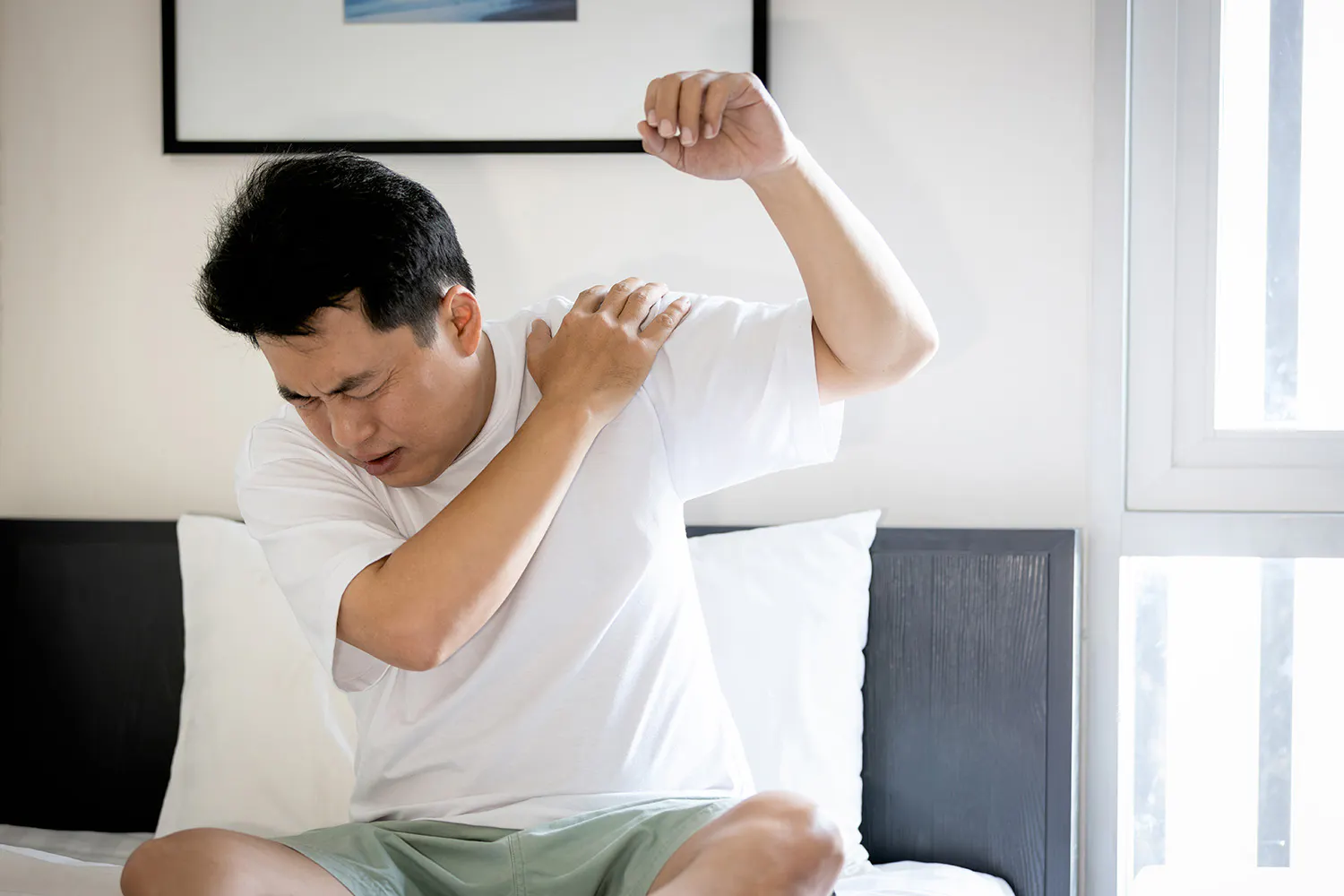
Reaching into a cabinet. Putting luggage in an overhead bin. Throwing a ball. Pulling on a shirt.