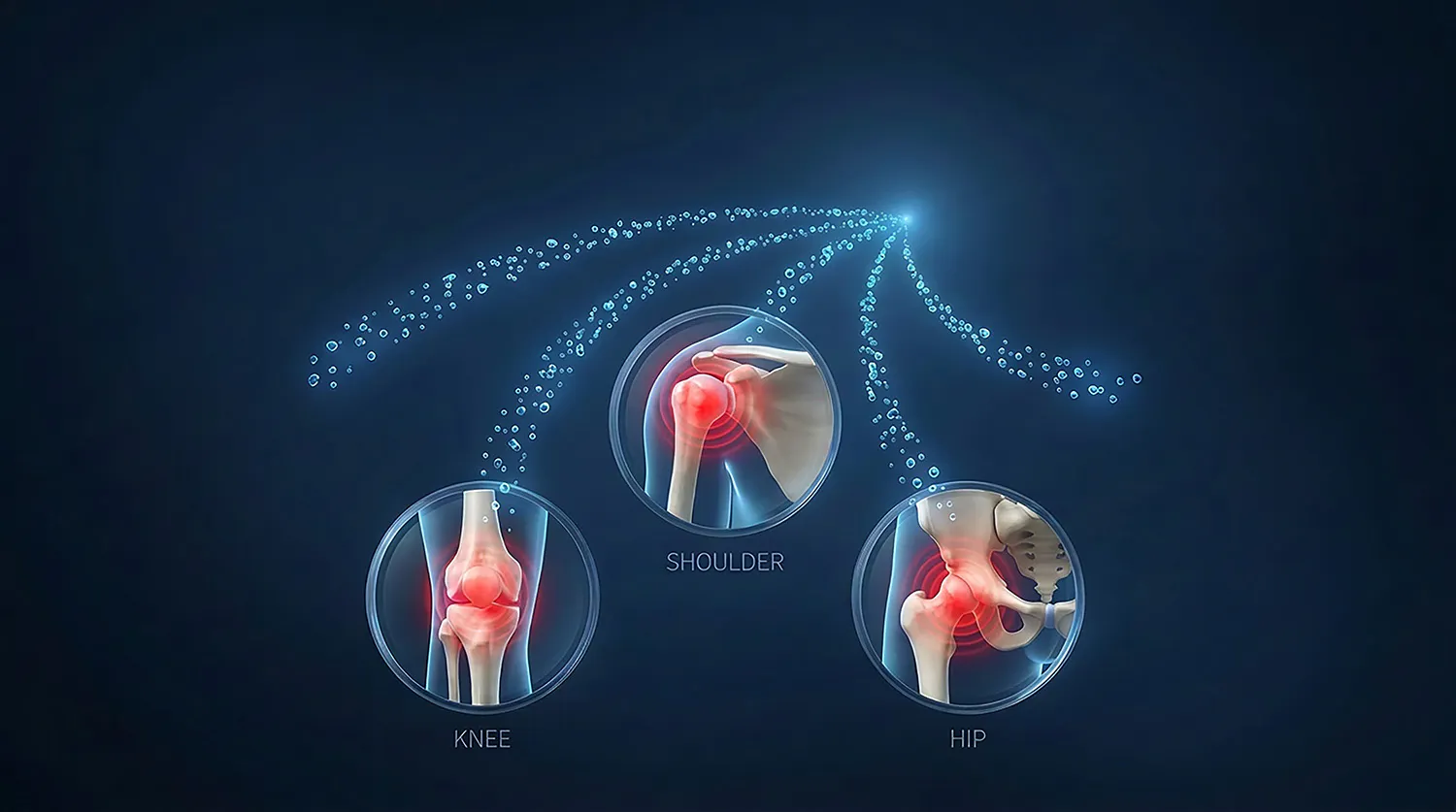
When hip, knee or shoulder pain begins interfering with the activities you enjoy, it's natural to wonder whether joint replacement may eventually be necessary. For some patients, the answer is yes. For many others, however, several treatment options may be available before surgery becomes appropriate. Orthopaedic care isn't simply a choice between living with joint pain and having a joint replacement. Instead, treatment often exists on a spectrum, with the goal of selecting the right option based on the cause and severity of your symptoms, the condition of the joint, and how pain or limited mobility affects your life.
What Does Joint Preservation Mean?
Joint preservation describes treatments intended to maintain your natural joint and help it function as well as possible. Depending on your diagnosis, age, activity level and the extent of joint damage, this can include both nonsurgical and surgical options.
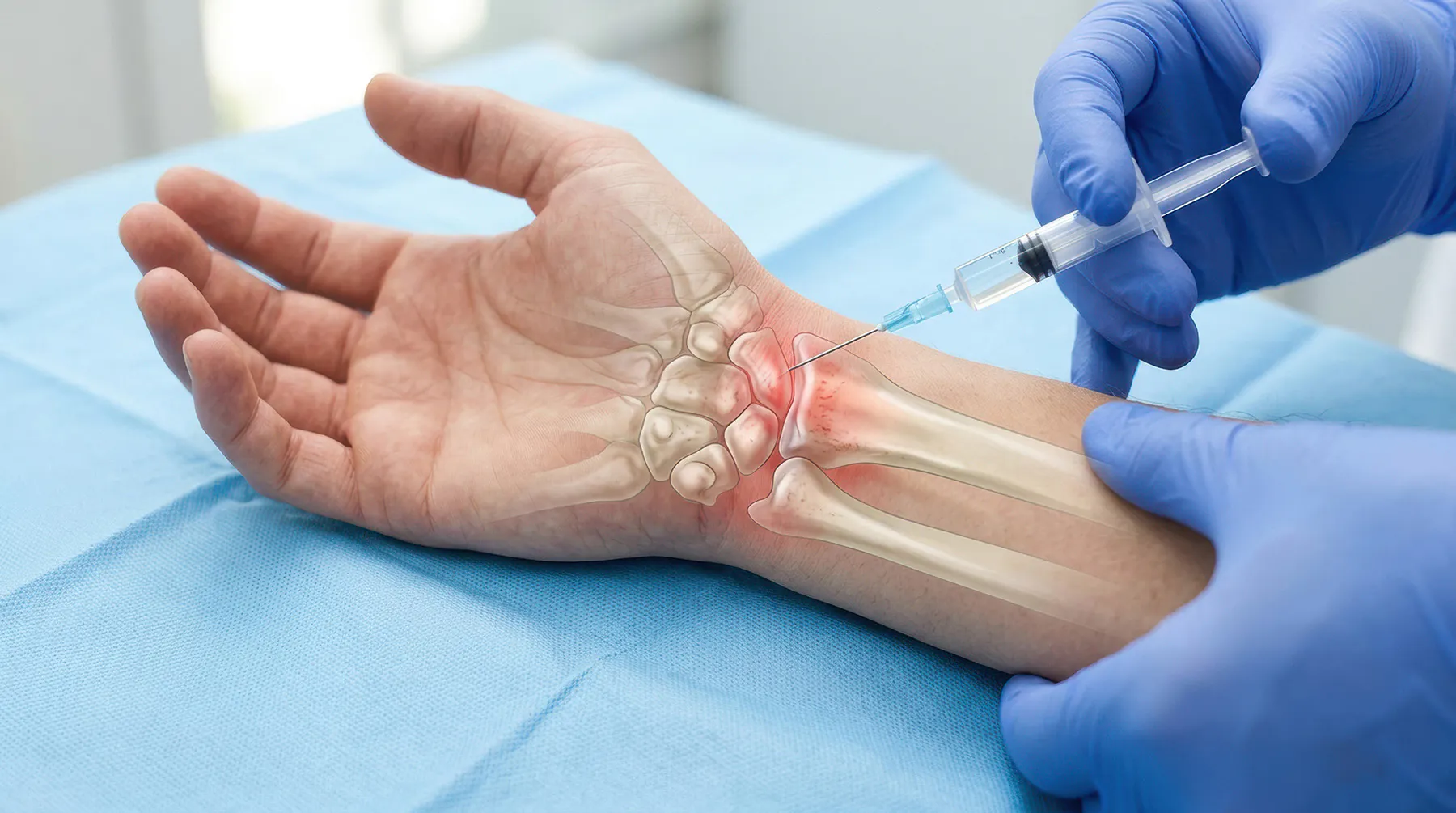
For arthritis of the hip, knee or shoulder, treatment frequently begins conservatively. Exercise and physical therapy can help improve strength, mobility and function, while activity modification may reduce stress on an irritated joint. Other options may include anti-inflammatory medications, weight management when appropriate, bracing or injections to provide temporary symptom relief in certain cases. The goal isn't necessarily to "put off surgery" for as long as possible. It's to use treatments that make sense for the stage of your condition. If conservative care allows you to remain active and your symptoms are manageable, there may be no reason to move immediately toward joint replacement.
Joint-preserving surgery may also be appropriate for selected patients. Depending on the joint and underlying problem, procedures may address structural abnormalities, cartilage damage or disease isolated to a particular portion of the joint. The right approach depends on an accurate diagnosis, not age or pain alone.
When Does Joint Replacement Become the Better Option?
Joint replacement becomes an option when damage within the hip, knee or shoulder becomes more advanced and nonsurgical treatments no longer provide adequate relief. The decision is also based on how your symptoms affect your life. Are you struggling to walk comfortably, climb stairs or get in and out of a chair? Has pain begun interfering with sleep? Have you stopped exercising, traveling, playing golf or pickleball, or participating in other activities that matter to you? Have appropriate nonsurgical treatments stopped providing meaningful relief? When advanced joint damage and persistent symptoms begin significantly limiting your quality of life, replacement may offer a more appropriate long-term solution.
During total hip replacement, surgeons replace damaged portions of the hip joint with artificial components designed to restore smooth movement. Total knee and shoulder replacement procedures similarly involve replacing damaged joint surfaces with metal and plastic components.
Patients sometimes hear joint replacement described as a "last resort," but that phrase can be misleading. The goal of orthopaedic care isn't to exhaust every possible treatment before considering surgery. Instead, it is to determine which treatments are reasonably likely to help, based on your diagnosis and disease stage.
Finding the Right Treatment for Your Joint
An orthopaedic evaluation can help determine not only what is causing your pain, but where you are along the treatment spectrum. At North Florida Bone & Joint Specialists, fellowship-trained Orthopaedic Surgeon Dr. Jack Wilson specializes in adult reconstruction, including primary and revision hip and knee replacement, anterior hip replacement, minimally invasive joint replacement and selective robotic-assisted joint replacement.
His approach emphasizes clear communication, shared decision-making and individualized treatment plans designed around each patient's needs and goals. To learn more, visit Dr. Wilson’s Physician Page or complete our Online Appointment Request Form to schedule a visit.