- Blog
Dr. O’Grady Innovative Surgery
Posted on 10-08-2026 in Rotator Cuff by Dr. Chris O'Grady
Posted on 10-08-2026 in Rotator Cuff by Dr. Chris O'Grady
A recent story about orthopaedic surgeon Dr. Christopher O’Grady has been featured in more than 1,100 daily and weekly newspapers nationwide (Los Angeles Times, Houston Chronicle, Chicago Tribune and Orlando Sentinel) sharing his expertise in a new minimally invasive rotator cuff procedure that not only repairs injured shoulder tendons but can potentially help thicken and strengthen them.
The Rotation Medical bioinductive implant, about the size of a postage stamp, is placed over the injured rotator cuff tendon through a small incision during a short, minimally invasive procedure. It stimulates the growth of new tissue as it dissolves over time.
“The Rotation Medical implant repairs a tendon effectively and, in many cases, patients can recover more quickly than with traditional repair procedures,” says Dr. O’Grady, who practices in Gulf Breeze, Fla., and has been at the renowned Andrews Institute for Orthopaedics & Sports Medicine since it opened in 2007. “This is a tremendous advance in the treatment of rotator cuff disease.”
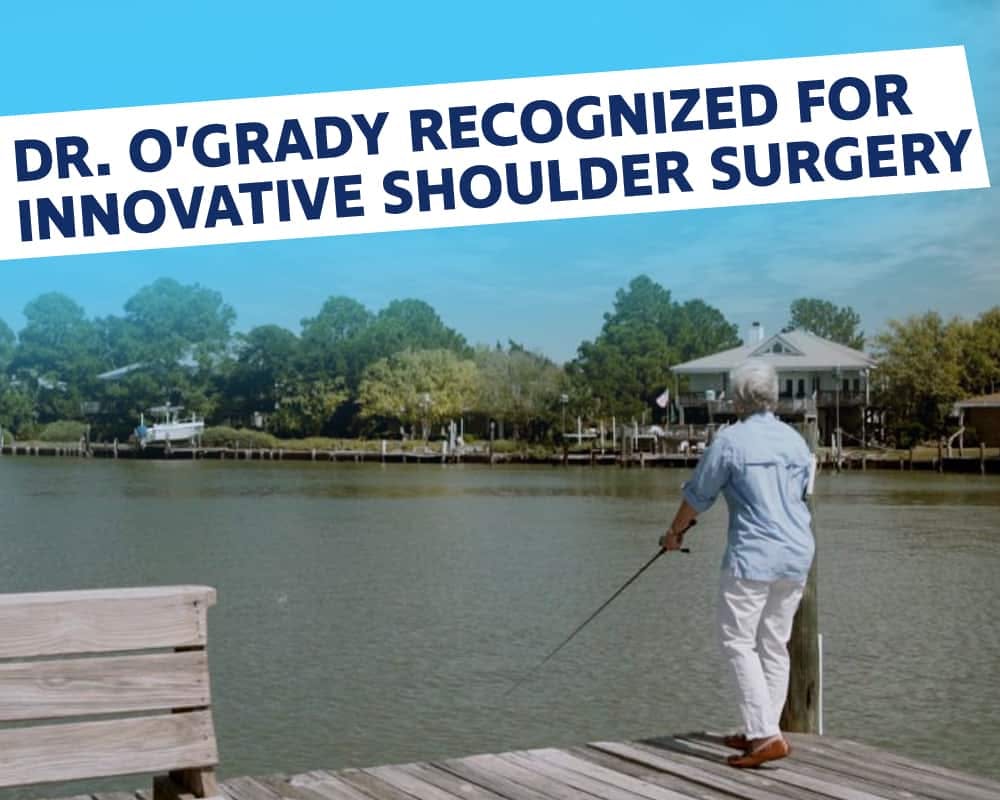
The newspaper articles featuring Dr. O’Grady, one of 300 surgeons nationwide trained to use the Rotation Medical device, appeared in publications including the Los Angeles Times, Houston Chronicle, Chicago Tribune and Orlando Sentinel. The articles also chronicled one of Dr. O’Grady’s patients, Starr Boykin, a professional fisherwoman, who has been treated successfully with the device.
Boykin underwent four rotator cuff surgeries on her left arm with other surgeons. After continued pain, she needed a solution and turned to Dr. O’Grady.
Dr. O’Grady recommended the Rotation Medical implant.
How Does the Rotation Medical Implant Work?
The rotator cuff is made of a group of tendons and muscles that surround the shoulder joint and keep the head of the upper arm bone, the humerus, firmly within the shoulder socket. When tendons tear, the shoulder is no longer stable and movement becomes painful.
The Rotation Medical device dissolves slowly after it is implanted and heals the tendon by inducing the growth of new tissue. This results in thicker tendons and repairs tissue defects.
Patient Success
For patients, the Rotation Medical implant can offer significant benefits including:
Within six months of the surgery, Boykin was competing in fishing tournaments again and paddling in her kayak.
“I can do all these wonderful things, and I am so grateful for the Rotation Medical patch because it has given me my life back.”

Each year, from October 6 to 12, we celebrate National Physician Assistants Week and recognize this dedicated group of professionals who provide exceptional care to our patients at North Florida Bone & Joint Specialists. Each plays a transformative role in our practice and in the communities we serve by delivering high-quality, collaborative care that prioritizes patients' needs.
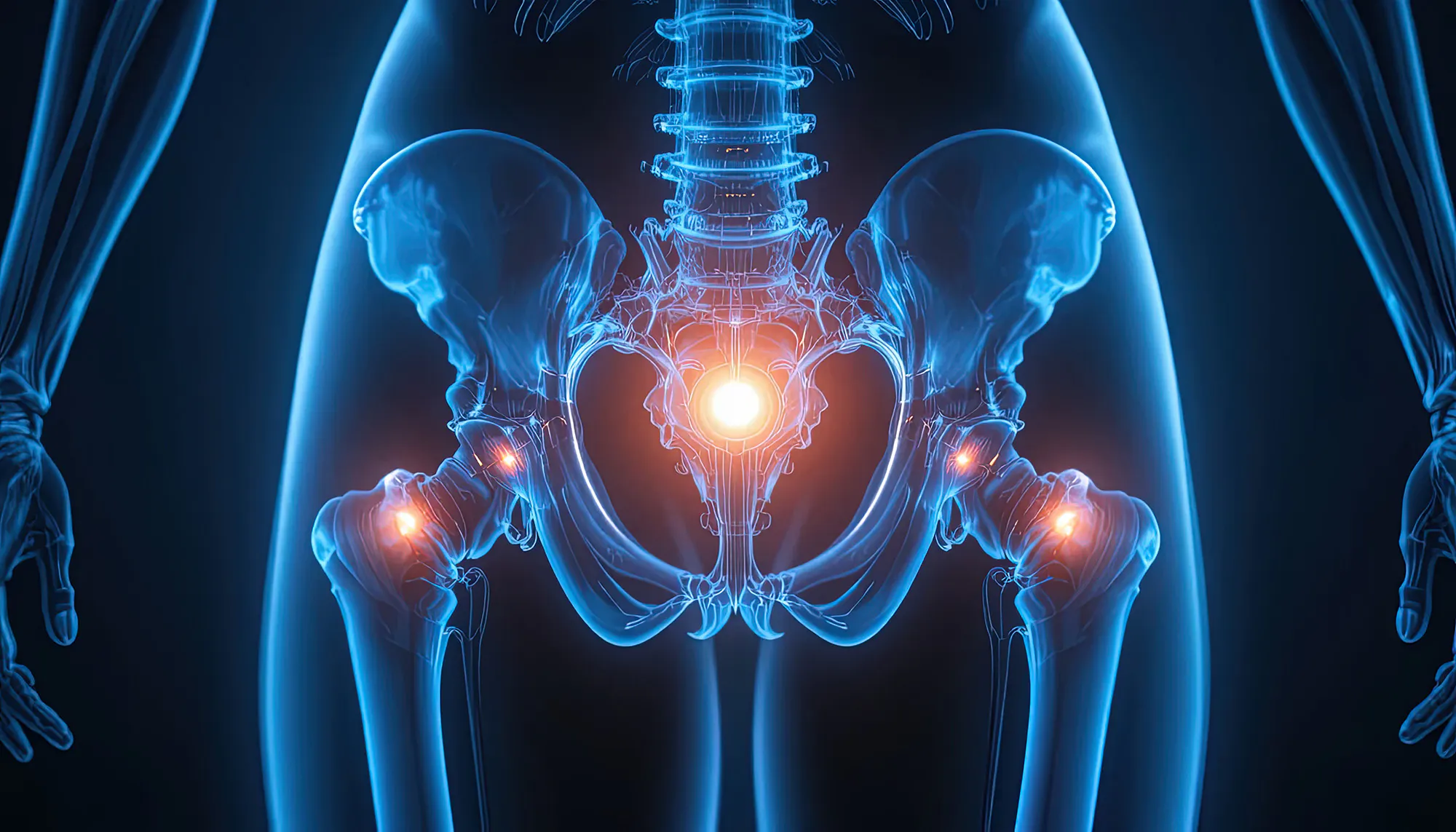
Pain in the lower back, hip, buttock, or groin can be both frustrating and confusing. Many people are surprised to find that their back pain actually comes from the hip or vice versa.