- Blog
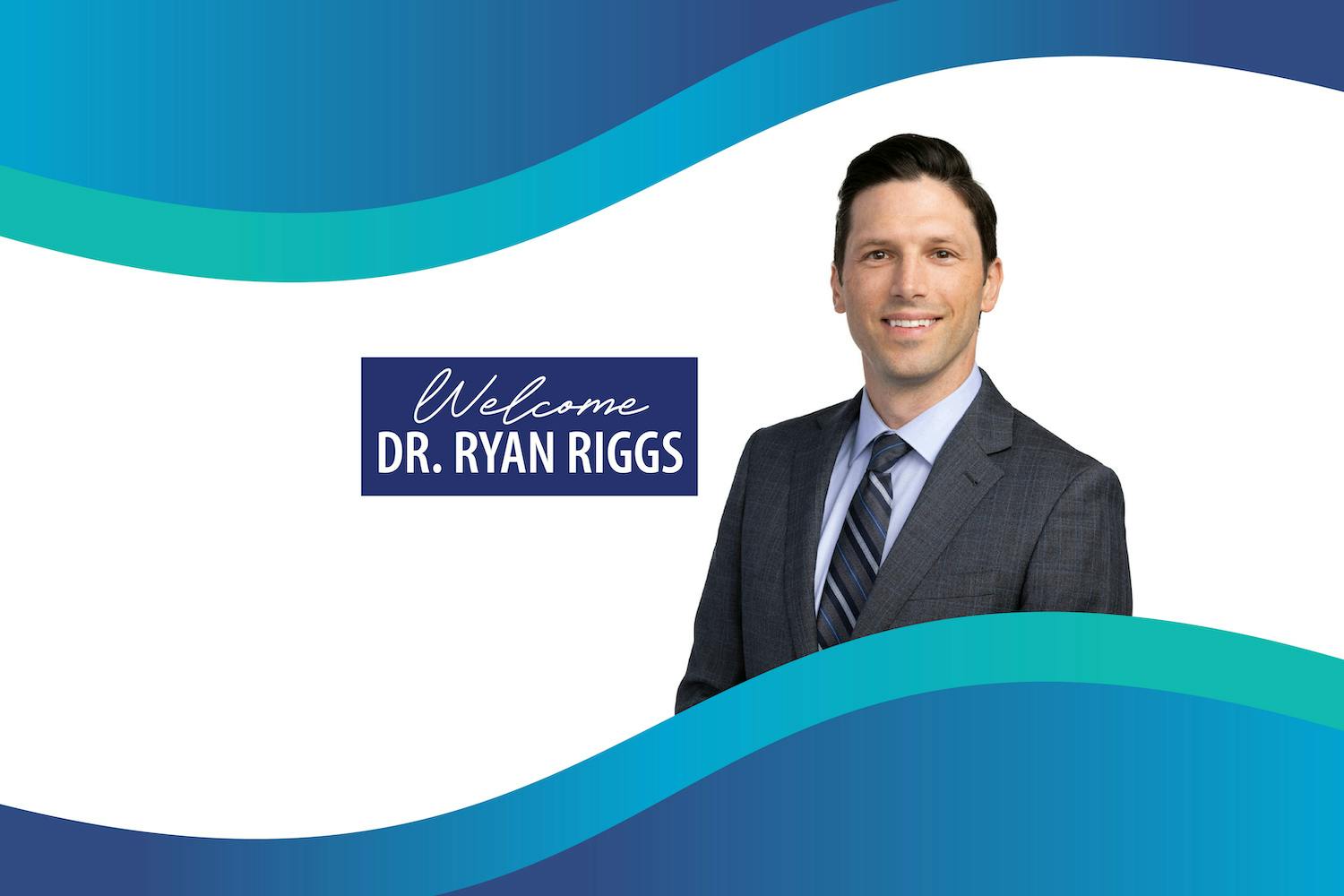
Welcome Ryan Riggs, MD
Posted on 10-07-2026 in Primary Care Sports Medicine & Regenerative Medicine by Dr. Ryan Riggs
Posted on 10-07-2026 in Primary Care Sports Medicine & Regenerative Medicine by Dr. Ryan Riggs
Please join Northwest Florida Bone & Joint Specialists in welcoming Dr. Ryan Riggs to our highly-trained group of expert providers. As a board-certified and fellowship-trained sports medicine physician, Dr. Riggs specializes in treating various musculoskeletal and orthopaedic conditions and injuries of the upper extremities, hip, knee, foot and ankle, and spine.
Dr. Riggs received his medical degree from Florida State University and completed his Family Medicine Residency at the Medical University of South Carolina (MUSC) in Charleston. He went on to complete his Primary Care Sports Medicine Fellowship at the American Sports Medicine Institute in Birmingham, AL, under the direction of Dr. Jose Ortega.
“Dr. Riggs’ training in sports medicine and working knowledge of orthopaedic urgent care will be an incredible asset to our practice as well as the community. As with our other providers, his goal is to develop comprehensive treatment plans that help patients regain or improve their quality of life,” said NFBJS Executive Director Carroll Papajohn.
In addition to his previous experience as an Urgent Care Physician in Birmingham, Dr. Riggs served as the Team Physician at Homewood High School and assisted in coverage as an Andrews Sports Medicine Fellow for Samford University Athletics and the Birmingham Barons double-A baseball team. While at MUSC, Dr. Riggs served as a Resident Physician for the Charleston RiverDogs single-A baseball team, the South Carolina Stingrays ice hockey team and the College of Charleston Athletics.
“Growing up in the Florida Panhandle, my goal was always to return home. The opportunity to join NFBJS and the incredible group of physicians allows me to work alongside some of the top physicians in orthopaedics. I look forward to becoming part of the team,” said Riggs.
Dr. Riggs’ clinical interests include using Regenerative Medicine, including Platelet-Rich Plasma (PRP) and Stem Cell therapies, to manage orthopaedic injuries. His innovative approach to sports medicine allows his patients to focus on returning to their daily lives with minimal downtime while receiving the best care possible.
“What I find most rewarding about sports medicine is the ability to help people of all ages and abilities get back to doing what they love,” said Dr. Riggs.
When Dr. Riggs is not seeing patients, he enjoys golfing, traveling and spending time outdoors with his wife, Maggie and their 2-year-old son, Maverick.
Visit Dr. Riggs’ Physician page to learn more about his background and experience or complete an online appointment request. He is also a Medicaid provider and is accepting new patients beginning Sept. 1.

Each year, from October 6 to 12, we celebrate National Physician Assistants Week and recognize this dedicated group of professionals who provide exceptional care to our patients at North Florida Bone & Joint Specialists. Each plays a transformative role in our practice and in the communities we serve by delivering high-quality, collaborative care that prioritizes patients' needs.
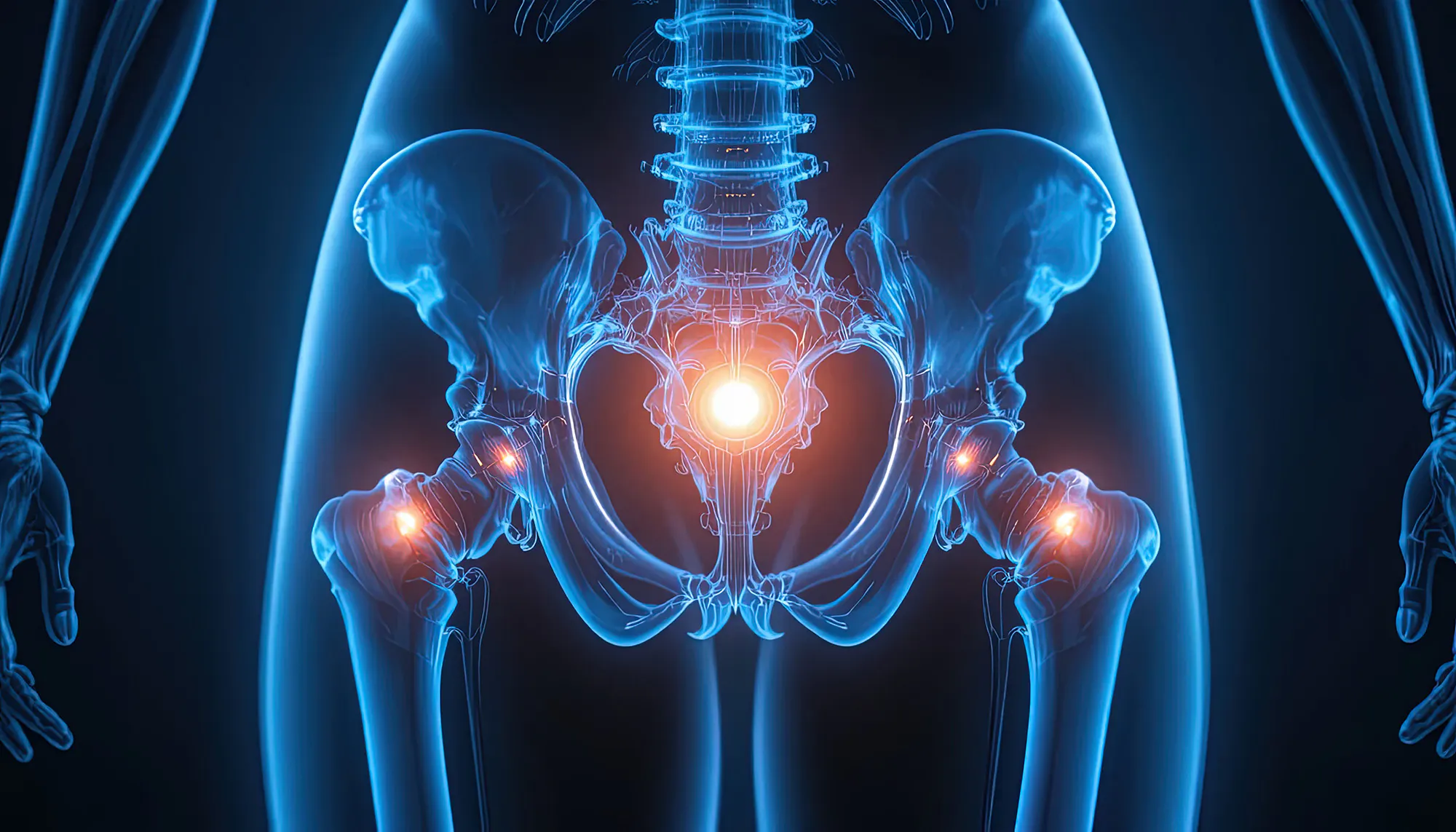
Pain in the lower back, hip, buttock, or groin can be both frustrating and confusing. Many people are surprised to find that their back pain actually comes from the hip or vice versa.