- Blog
Youth Baseball & Softball Overuse Injuries: What Every Parent Should Know
Posted on 09-17-2026 in Pediatric Injuries, Female Athletes, Youth Injury Prevention, Youth Sports, Injury Prevention, Sports Injury & Injury Care by Dr. Roger Ostrander

Posted on 09-17-2026 in Pediatric Injuries, Female Athletes, Youth Injury Prevention, Youth Sports, Injury Prevention, Sports Injury & Injury Care by Dr. Roger Ostrander
Across Northwest Florida, youth baseball and softball seasons are now in full swing. Practices, games, and tournaments are filling the calendar, and young athletes are spending more time on the field each week. While the excitement of competition is one of the highlights of the season, this is also the time when our practice begins to see an increase in overuse injuries among young players. Recognizing the early warning signs can help parents address small problems before they become more serious injuries that sideline athletes for the rest of the season.
Why Overuse Injuries Are Common
Young athletes are still growing, and their bones contain areas known as growth plates, which are softer and more vulnerable to stress than fully developed bone. Repetitive throwing can place considerable force on these developing structures, particularly in the shoulder and elbow.
According to the American Academy of Orthopaedic Surgeons, overuse injuries account for a large percentage of sports injuries in children and adolescents, often occurring when repetitive motions are performed without adequate rest. In baseball and softball, this repetitive stress can lead to conditions such as Little League Shoulder and Little Leaguer's Elbow, as well as tendon inflammation and muscle strain. The American Orthopaedic Society for Sports Medicine also notes that excessive pitch counts and inadequate recovery time between outings significantly increase the risk of arm injuries in young players.
Signs an Overuse Injury May Be Developing
Widely considered the “father” of modern sports medicine and a mentor to many at North Florida Bone & Joint Specialists, Dr. James Andrews stresses the importance of early evaluation to identify problems before they progress to more serious issues. Because overuse injuries develop gradually, they may begin with mild discomfort that athletes try to ignore to keep playing. In his book, Any Given Monday, Dr. Andrews explains that players should avoid dismissing and pushing through pain. Parents and coaches should pay close attention to symptoms such as:
As mid-season approaches, managing a player’s throwing workload becomes especially important. Many injuries occur when young athletes pitch too often or play for multiple teams simultaneously without adequate rest. If a young athlete experiences persistent pain, reduced performance, or difficulty throwing during the season, it may be time for an orthopaedic evaluation. Early assessment can help determine whether symptoms are related to muscle fatigue, tendon irritation, or stress to the growth plates.
Helping Young Athletes Stay Healthy All Season
By recognizing the early signs of overuse injuries and encouraging healthy training habits, parents and coaches can help keep players active and performing at their best throughout the season. With proper care and timely treatment, most young athletes recover fully and return to play safely.
If your child is experiencing shoulder or elbow pain during the baseball season, early evaluation can help prevent a more serious injury. Dr. Roger Ostrander and the team at North Florida Bone & Joint Specialists provide expert orthopaedic care for athletes of all ages, from youth sports participants to competitive athletes. To schedule an appointment, call 850-916-3700 or complete our Online Appointment Request Form.
For additional information, watch Dr. Ostrander’s video on the Evaluation and Management of Elbow Injuries in the Throwing Athlete or the Bone & Joint Brief blog highlight video below.
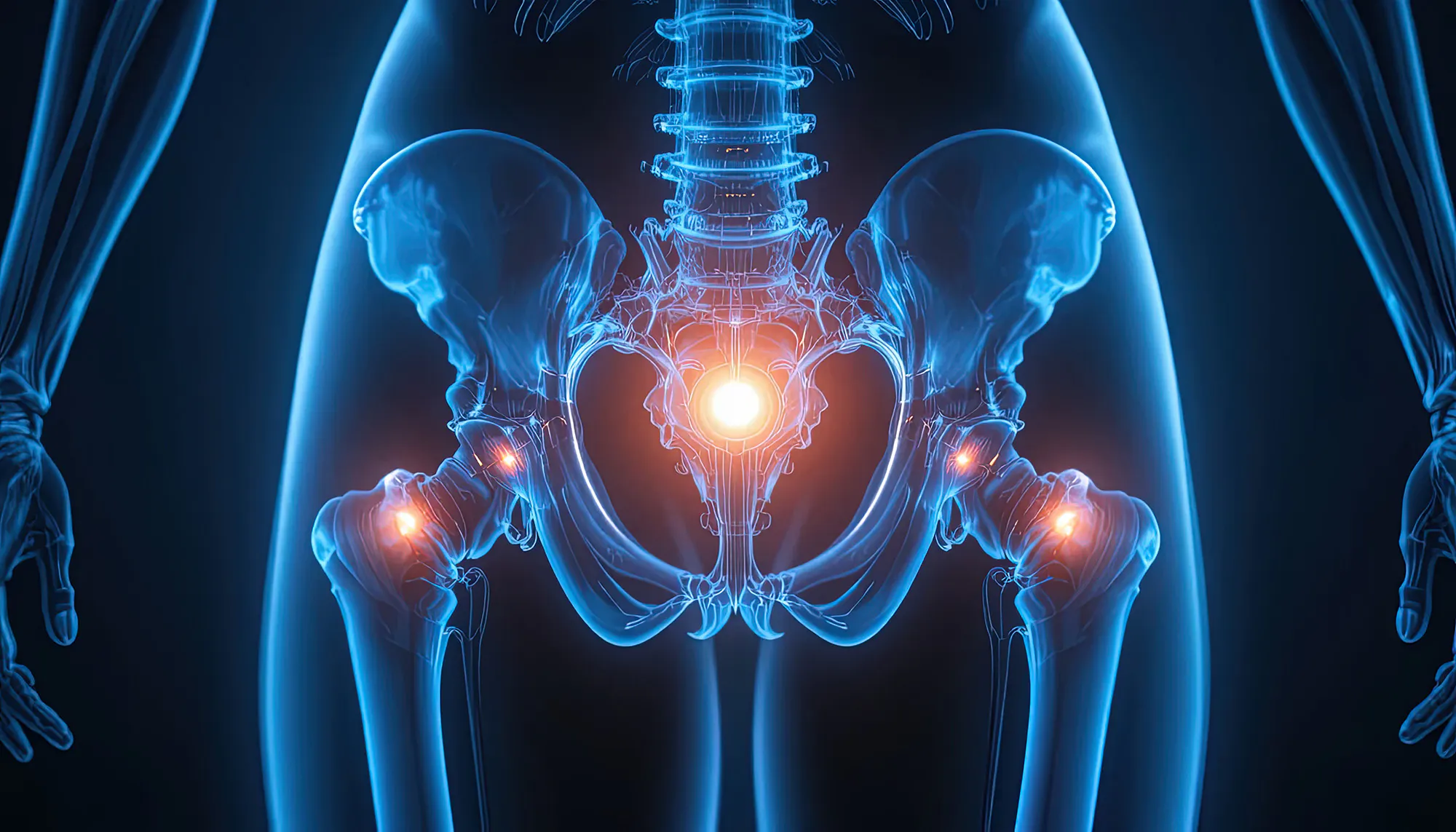
Pain in the lower back, hip, buttock, or groin can be both frustrating and confusing. Many people are surprised to find that their back pain actually comes from the hip or vice versa.
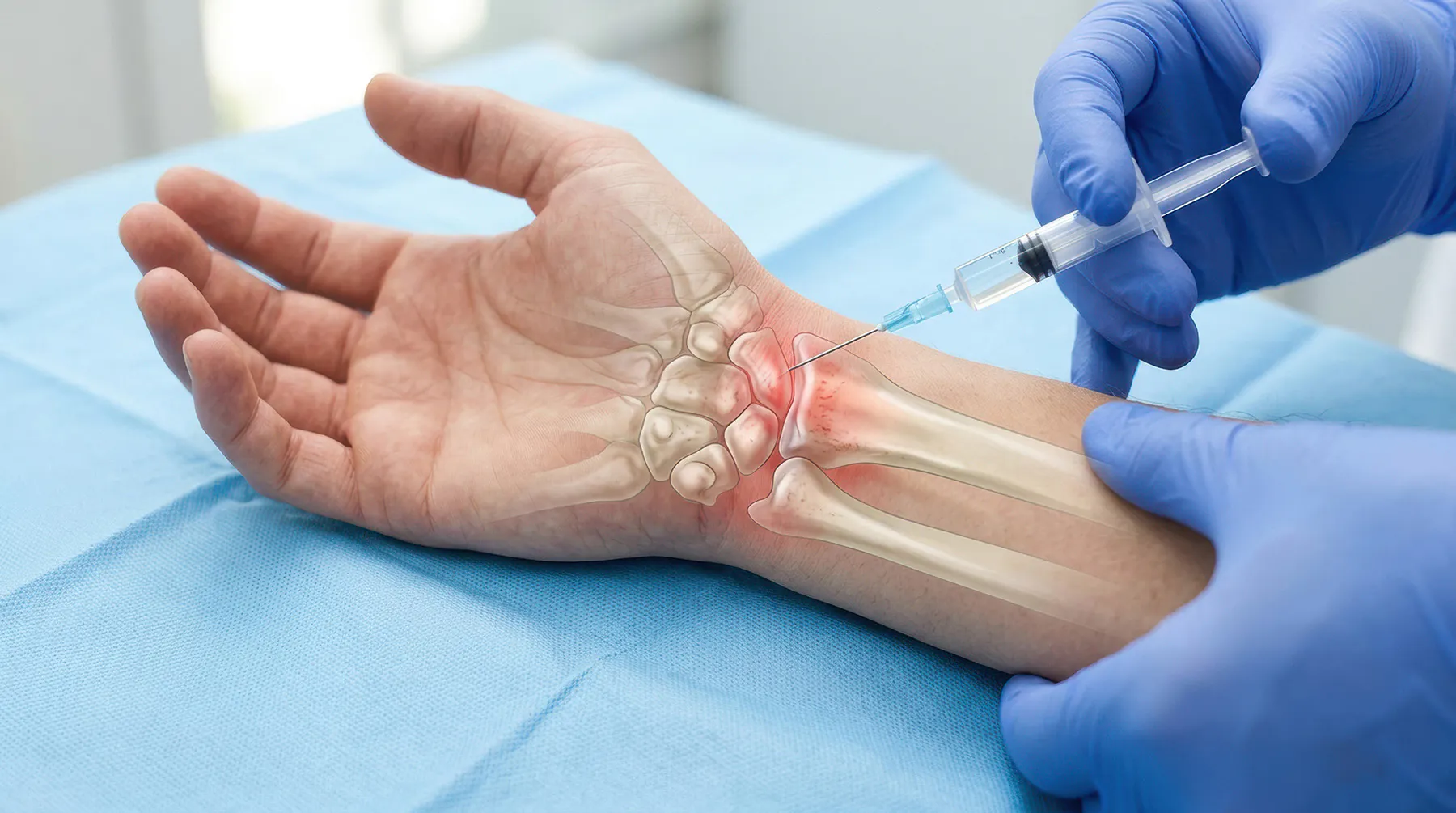
If you have been diagnosed with carpal tunnel syndrome, you may assume that treatment follows a predictable path: try a brace, move on to a corticosteroid injection if symptoms continue, and consider surgery only after those options stop working. For some patients, however, research suggests that reconsidering which comes first may be beneficial.

Reaching into a cabinet. Putting luggage in an overhead bin. Throwing a ball. Pulling on a shirt.