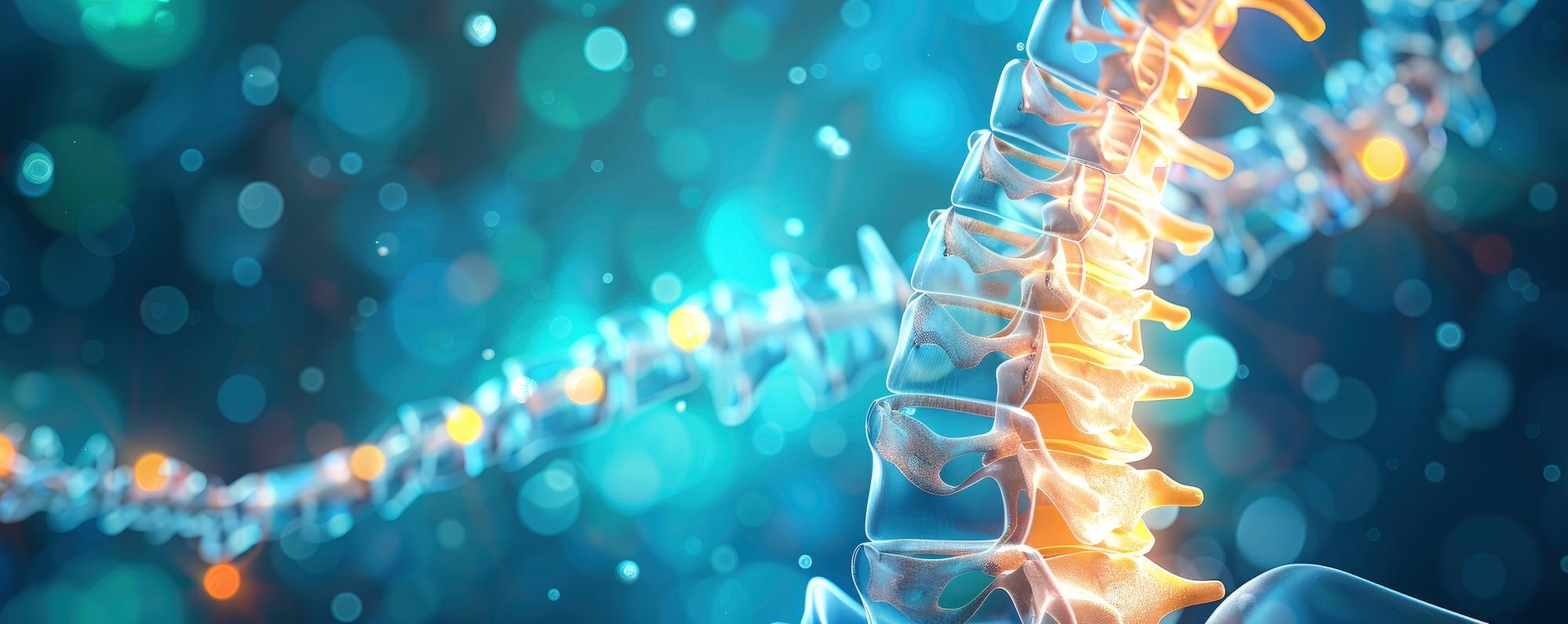
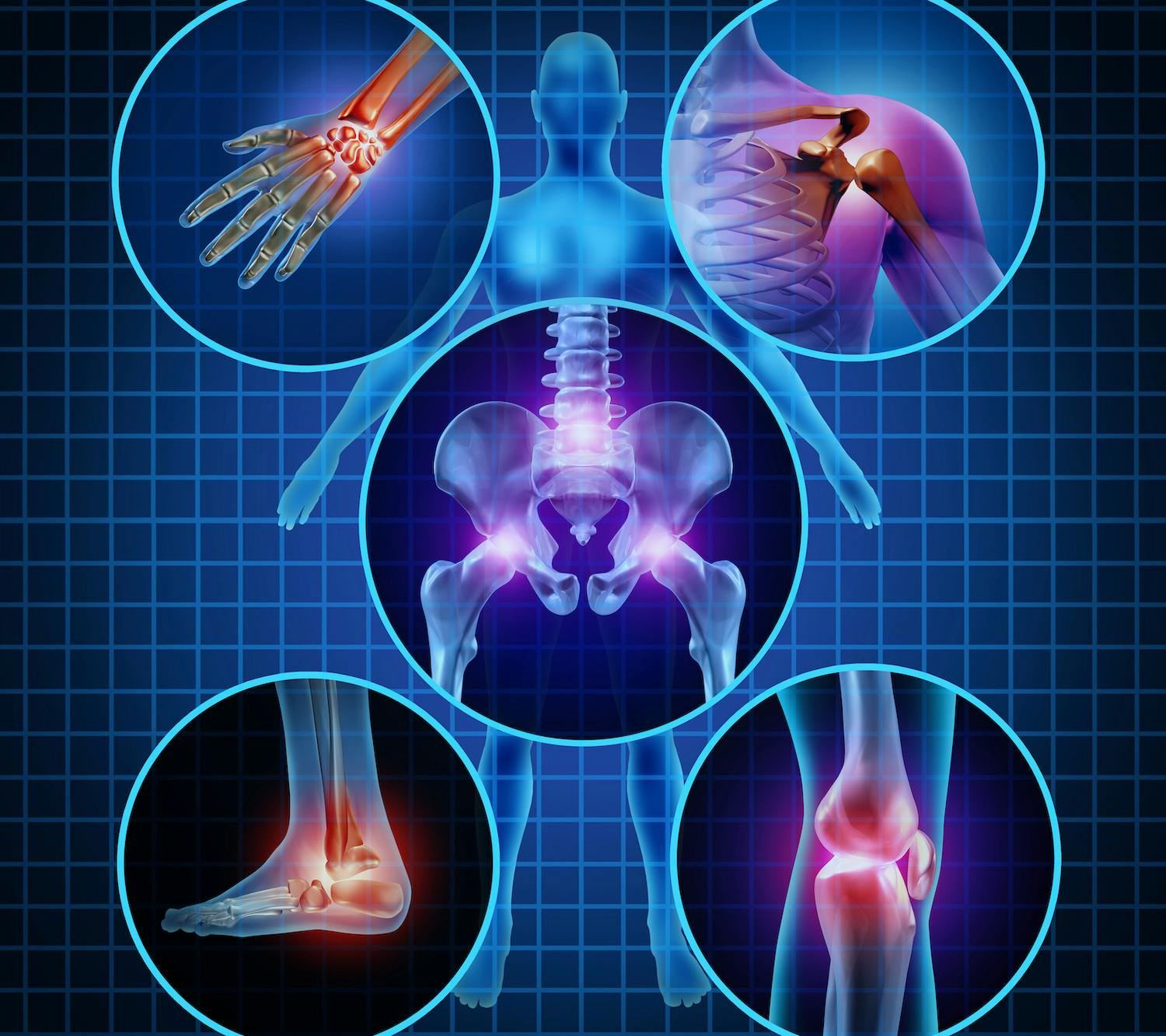
In recognition of World Spine Day on October 16, 2024, North Florida Bone & Joint Specialists (NFBJS) is highlighting the importance of spine health across all ages, from young athletes to older adults. Spine injuries are a common challenge that can affect anyone, whether due to the rigors of sports or the natural aging process. This year’s World Spine Day theme, “Support Your Spine,” reminds us of the importance of maintaining a healthy spine throughout life.
At NFBJS, Sports Medicine Physician Dr. Ryan Riggs specializes in treating acute spine injuries and is committed to helping our patients recover through conservative, non-surgical treatments that promote long-term health and well-being.
Spine Injuries in Young Athletes
For young athletes, high-impact sports and repetitive movements can lead to a range of spine injuries. Acute injuries we frequently see include:
- Muscle Strains: Often caused by overuse or sudden movements, muscle strains in the back result in pain, stiffness, and limited mobility. These injuries are common in sports like football, gymnastics, and weightlifting.
- Herniated Discs: When a disc in the spine slips or ruptures, it can compress nearby nerves, leading to significant pain, numbness, and muscle weakness. This injury is often linked to improper lifting techniques or direct trauma during sports.
- Lumbar Sprains: A lumbar sprain involves damage to the ligaments in the lower back. Twisting motions or overstretching during athletic activities can cause these injuries.
- Spondylolysis: This stress fracture in the vertebrae is common in sports requiring repetitive extension and rotation, such as gymnastics and football. Without proper treatment, spondylolysis can lead to more severe spine conditions.
The key to recovery for young athletes is early diagnosis and treatment. This usually involves rest, physical therapy to strengthen the core and improve flexibility, and short-term pain management with anti-inflammatory medications.
Spine Injuries in Older Adults: Compression Fractures
As we age, the spine undergoes natural changes, making older adults more susceptible to injury, including muscle strains and herniated discs. Compression fractures are a significant concern, particularly in those with osteoporosis. These fractures occur when the vertebrae collapse due to a loss of bone density, often triggered by minimal trauma such as a fall or even routine activities like bending.
Since osteoporosis is a major contributor to compression fractures, it’s critical to treat the fracture and address the underlying condition. Conservative treatment for compression fractures involves rest, physical therapy, and the use of oral anti-inflammatory medications to manage pain. Additionally, improving bone health through nutrition and changes in exercise or physical activity habits to strengthen bones can be essential for preventing future fractures through Osteoporosis Management. Some may even benefit from medications to strengthen bone to further reduce the risk of future fractures.
Conservative Treatment for Spine Injuries
At NFBJS, Dr. Riggs prioritizes conservative, non-surgical treatments for spine injuries in both young athletes and older adults. Rest, physical therapy, and short-term use of pain management medications such as oral anti-inflammatories form the foundation of our approach. By focusing on rehabilitation, strength, and flexibility, we aim to reduce the risk of further injury and promote a full recovery.
Whether you’re a young athlete with an acute injury or an older adult recovering from a compression fracture, our team is here to support you with personalized care that gets you back to doing what you love. Learn more about Dr. Ryan Riggs, or submit an online appointment request form to schedule your visit today.